

Do we still want the socialist future imagined by the past?
Why three socialist utopian novels are still relevant 100 years later.

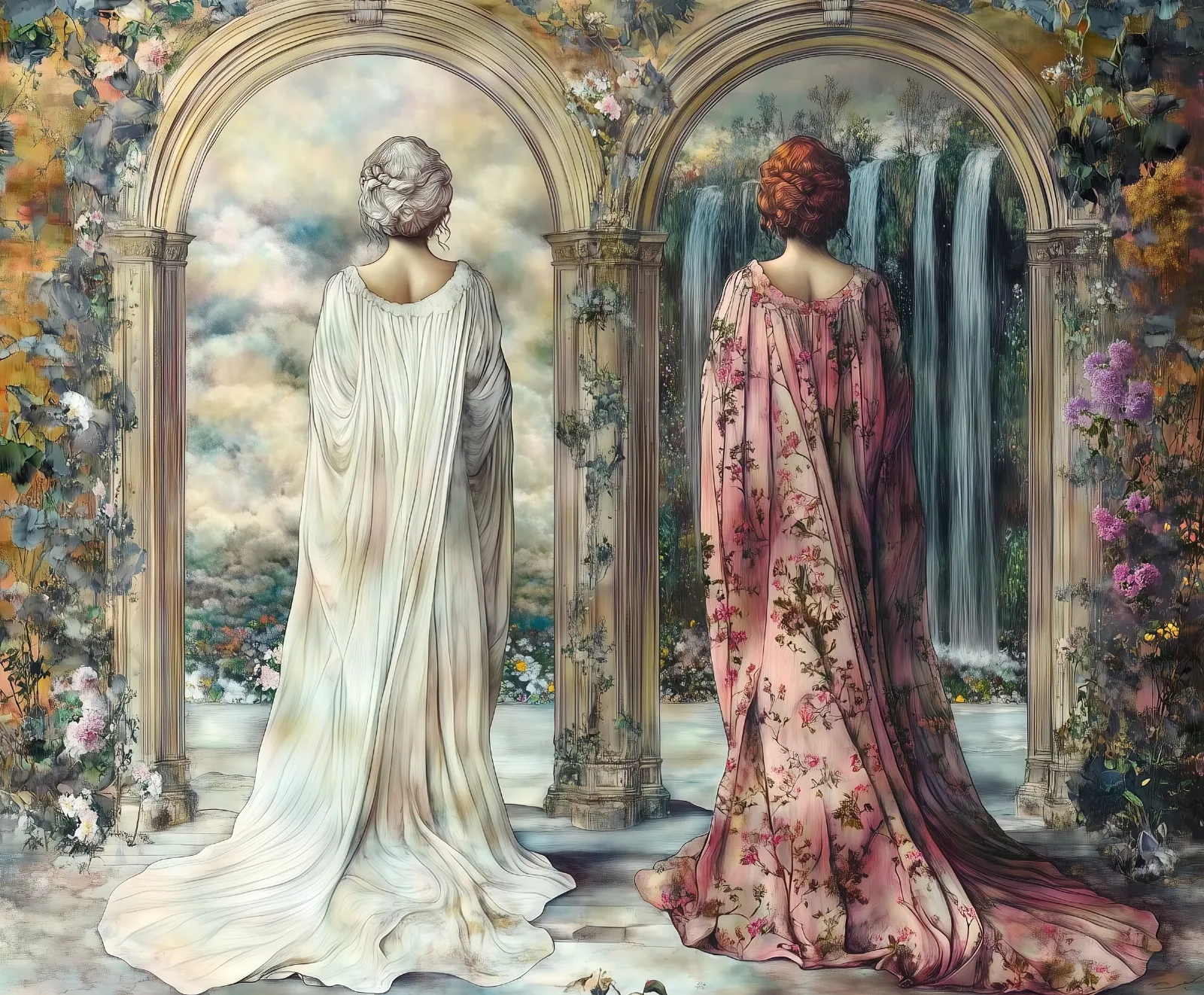
 y the late 1800s, Karl Marx's Communist Manifesto had finally entered the mainstream. His ideas for a new world order free from the perils of capitalism sparked a wave of utopian thinkers who used his concepts to imagine a more beautiful future.
Edward Bellamy's 1888 novel Looking Backward was the first, imagining a technologically advanced Boston with Amazon-like delivery services, Spotify-like access to music, and credit-card-like access to money. His protagonist is put into a trance only to awaken in the year 2000 and find the techno-futurist world of his dreams!
“All I can say is, the prospect was such when I went into that long sleep that I should not have been surprised had I looked down from your house-top today on a heap of charred and moss-grown ruins instead of this glorious city,” he says.
Bellamy very much thought the Boston of his day was on its way to becoming a heap of charred ruins. He described the city as “a crowd of people in the rain, each one holding his umbrella over himself and his wife, and giving his neighbors the drippings.” Another author, William Morris called London of the same time, “‘slums;’ that is to say, places of torture for innocent men and women; or worse, stews for rearing and breeding men and women in such degradation that that torture should seem to them mere ordinary and natural life."
Why were things so bad?
Subscribe for free to keep reading.
Get every essay in your inbox
Weekly essays exploring a utopian future.



 Join 22,002 subscribers