


 e last read The Twenty-Ninth Chapter, in which the mercenary was lost to the arms of opium. If you have recently joined us, start with The Prologue.
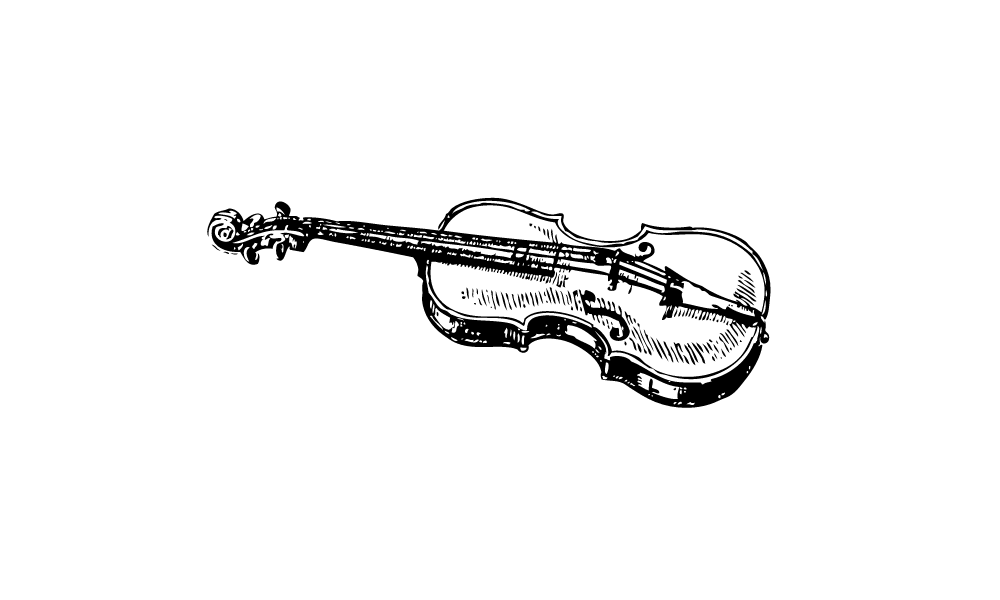
In the street there was a man playing the violin, its melody mournful and melancholy. The music that earned his keep could not contain his sorrow and so he rose with the dawn to play for his soul.
We might hear those notes from time to time if we are still enough to listen. For they strike at the strings of our spirits when we least expect them. This affliction is known to the modern reader as melancholia, and it is an ailment without cause or causality. As the sound of a violin, it only haunts us when we are at our most vulnerable—and there threatens to consume us.
Those who hear its notes know well their allure. For there has never been a feeling so beautifully despairing, no emotion so elegantly despondent. Like the sirens who lure sailors to their shores, melancholia asks us to abandon ourselves to her sound and become possessed by her song—and yet we risk our own ruin in doing so. For melancholia can lure her suitors into the deep until the sound can be heard no more.
For those so thoroughly drowned in their despair, death appears an altogether enticing opportunity. One that will alleviate the adherent of their struggle and allow them the gentle reprieve of feeling nothing at all. There is a certain romance to sinking into that sweet sorrow, adrift in the arms of melancholia at last—death’s song no longer jarring to the senses but whispered softly into one’s ears.
Subscribe for free to keep reading.
Get every essay in your inbox
Weekly essays exploring a utopian future.



 Join 23,254 subscribers