

San Francisco should be profitable—instead property owners are
Or how the Gilded Age screwed American cities and how we can reverse it.

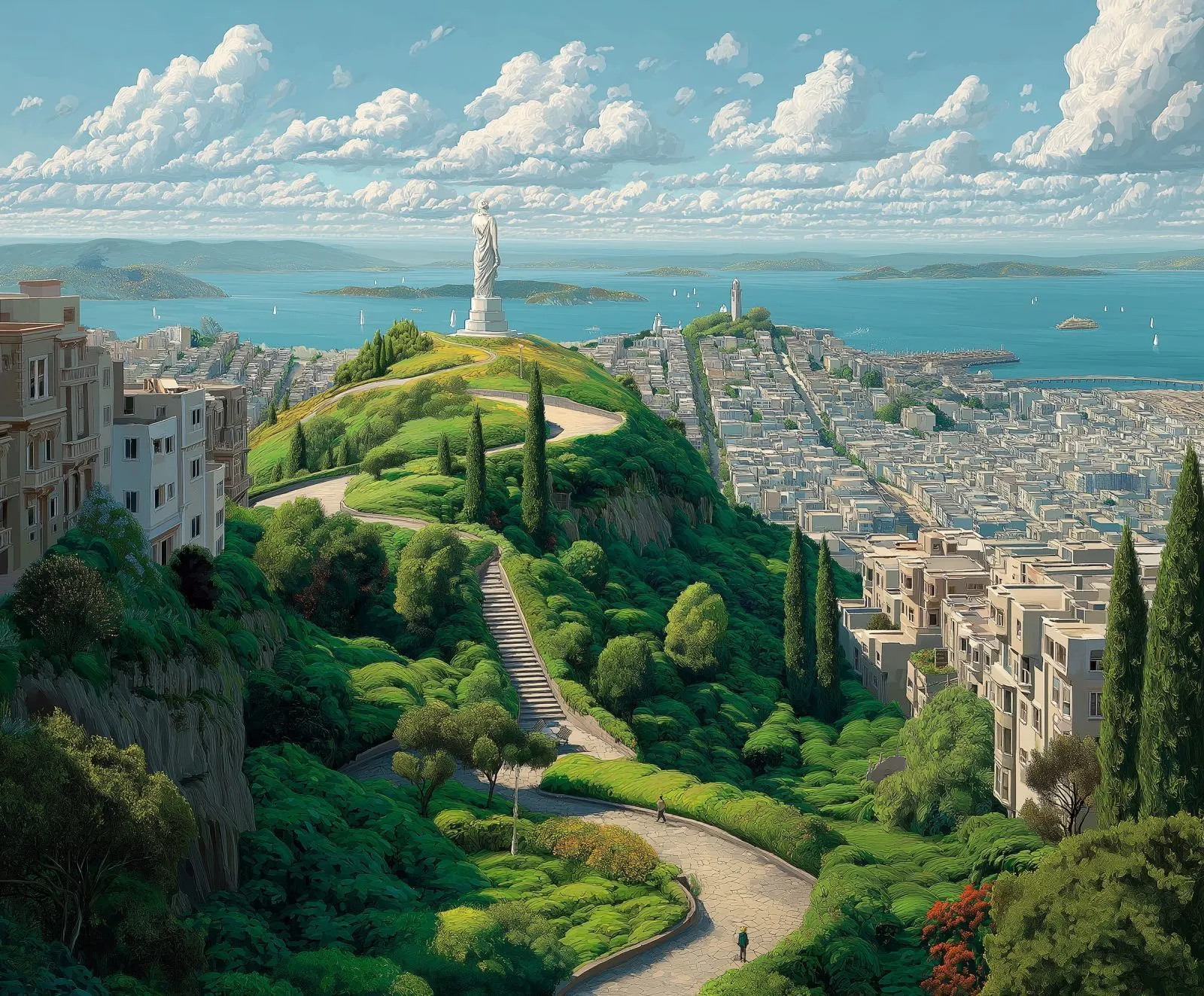
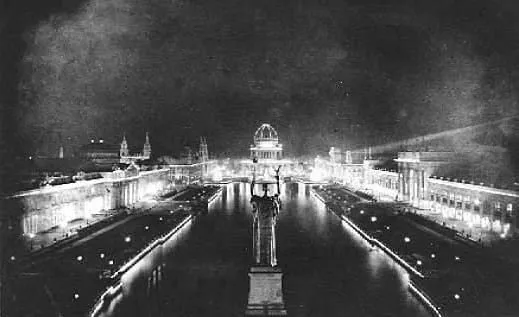
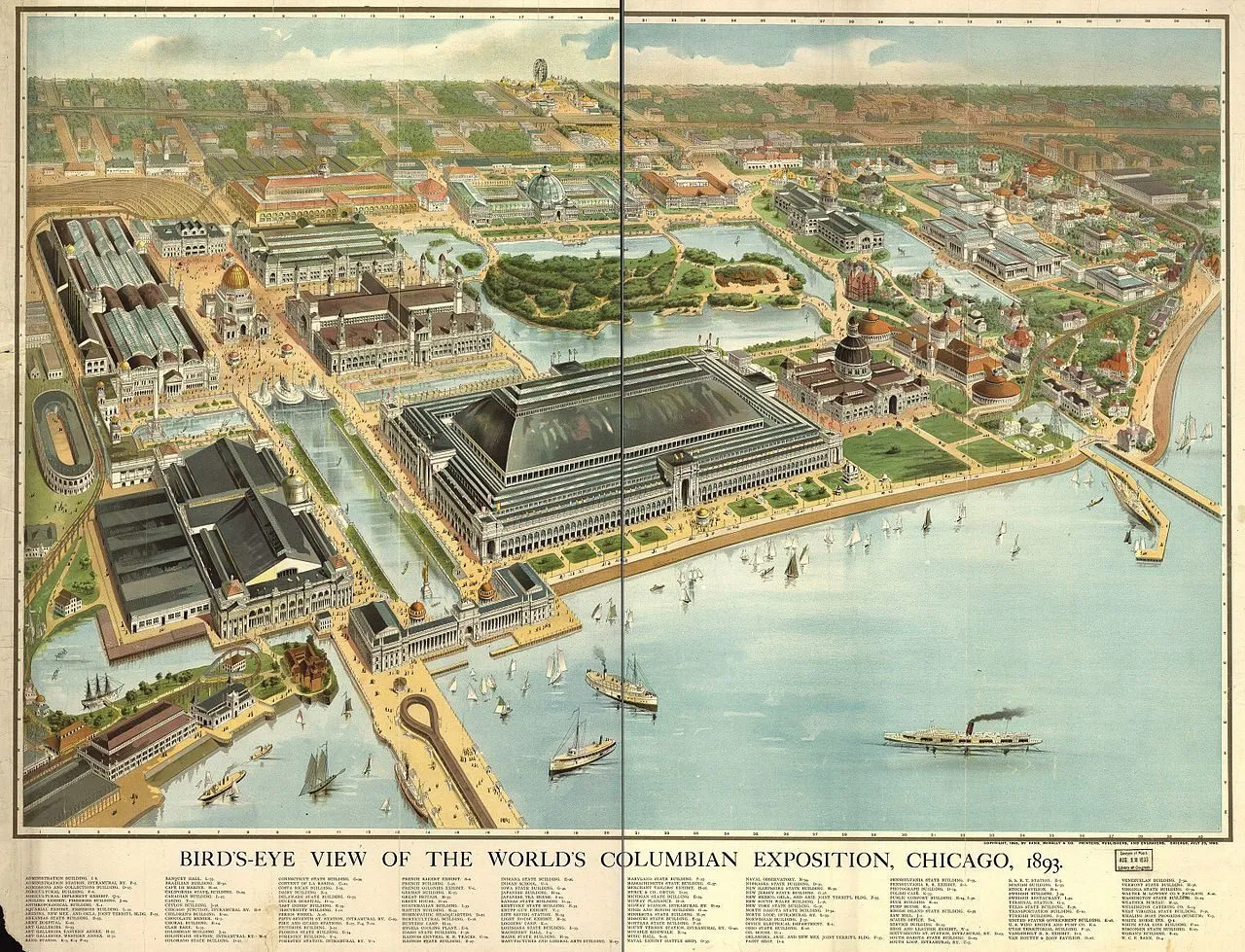
 t the same time that Bournville was establishing an idyllic hamlet for factory workers, Nikola Tesla and Thomas Edison were competing to power America’s first urban district: the 1893 World’s Columbian Exposition in Chicago. Tesla won the contract, and when Chicago debuted the fair’s “White City” across the waterfront, it became a spectacle of light. Twelve massive Westinghouse generators powered 100,000 lamps, lighting up canals, plazas, fountains, and buildings. More than 27 million people traveled to see it.
What followed was a revolution in utopian city building, but an altogether different one from England’s. If the European movement was about economic justice and the welfare of the working class, the American movement was more about private property and the aesthetic vision of industrialist capitalists. Developers used steel to build the world’s first skyscrapers, and Elisha Otis invented elevators that would take people to the top. Edison and Tesla powered our buildings, Bell Labs created telephones that connected them, and Ford mass-produced automobiles that allowed faster travel time between cities.
Cities were being improved, not by government reform, but by corporate innovation!!!
By the time the labor movement arrived at the turn of the 20th century, there was a utopian faith that technology, more than politics, would solve worker welfare. American companies were producing washing machines, dishwashers, vacuum cleaners, and refrigerators that promised to liberate women and give them more leisure time. Automobiles made it possible for workers to live in a pastoral suburb far away from the sooty city. Radios and eventually movie theaters made entertainment more accessible to everyone.
Industrialization might have been the problem in England, but it was also the solution in America, and that came with a very different set of ideals.
Subscribe for free to keep reading.
Get every essay in your inbox
Weekly essays exploring a utopian future.



 Join 23,254 subscribers