I quit Spotify—now I buy albums like it's the 90s
We're renting our music and platforms instead of owning them. New internet platforms want to change that.
 n high school, I had Backstreet Boys posters all over my room and a stereo with a three-disc changer that played their albums on repeat—friends would browse my CD sleeve when they came over for a slumber party.
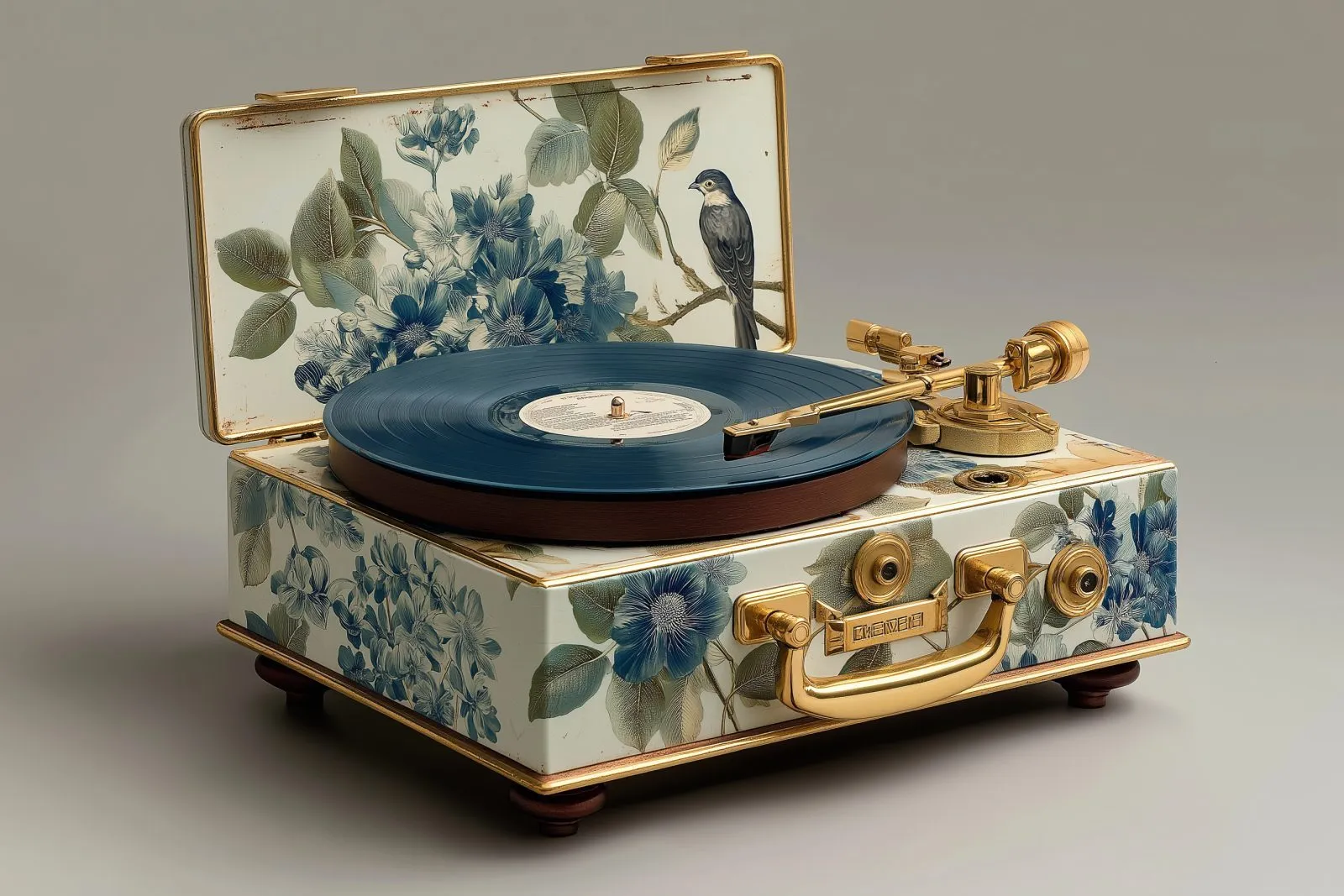
The iPod came out when I was in college, and we’d buy songs directly on iTunes. Listening to someone else’s iPod was to travel through their tastes and interests. We plugged headphones into the aux jack to listen with friends, and burned playlists onto CDs for each other.
Then Spotify came along, and we bought subscriptions instead.
We no longer pay directly for the music we love; we pay the platform for unlimited access to all of it. Our libraries are no longer the albums we bought and curated, but also the playlists Spotify curated for us.
There can be no doubt that platforms like Spotify expanded the reach of MTV’s TRL and the limited libraries in our CD sleeves. But they broke our relationship with the artist in the process. Now we have a relationship with a platform that controls what music we see and which artists it surfaces. By inserting themselves into the middle of that transaction, content aggregators now make much more money than the creators of it do.
And investors in the company earn more than everyone.
Subscribe for free to keep reading.
Get every essay in your inbox
Weekly essays exploring a utopian future.
 Join 23,254 subscribers