

Land should be a public good—not just private property
An introduction by the Center for Land Economics.
 his is the introduction to “Let Cities Build Utopia,” an 11-part essay series on the future of cities. I am beyond grateful to the Center for Land Economics who supported this series as a patron and whose co-founder, Greg Miller, wrote this foreword. I highly recommend his newsletter Progress & Poverty which was a valuable part of my research.
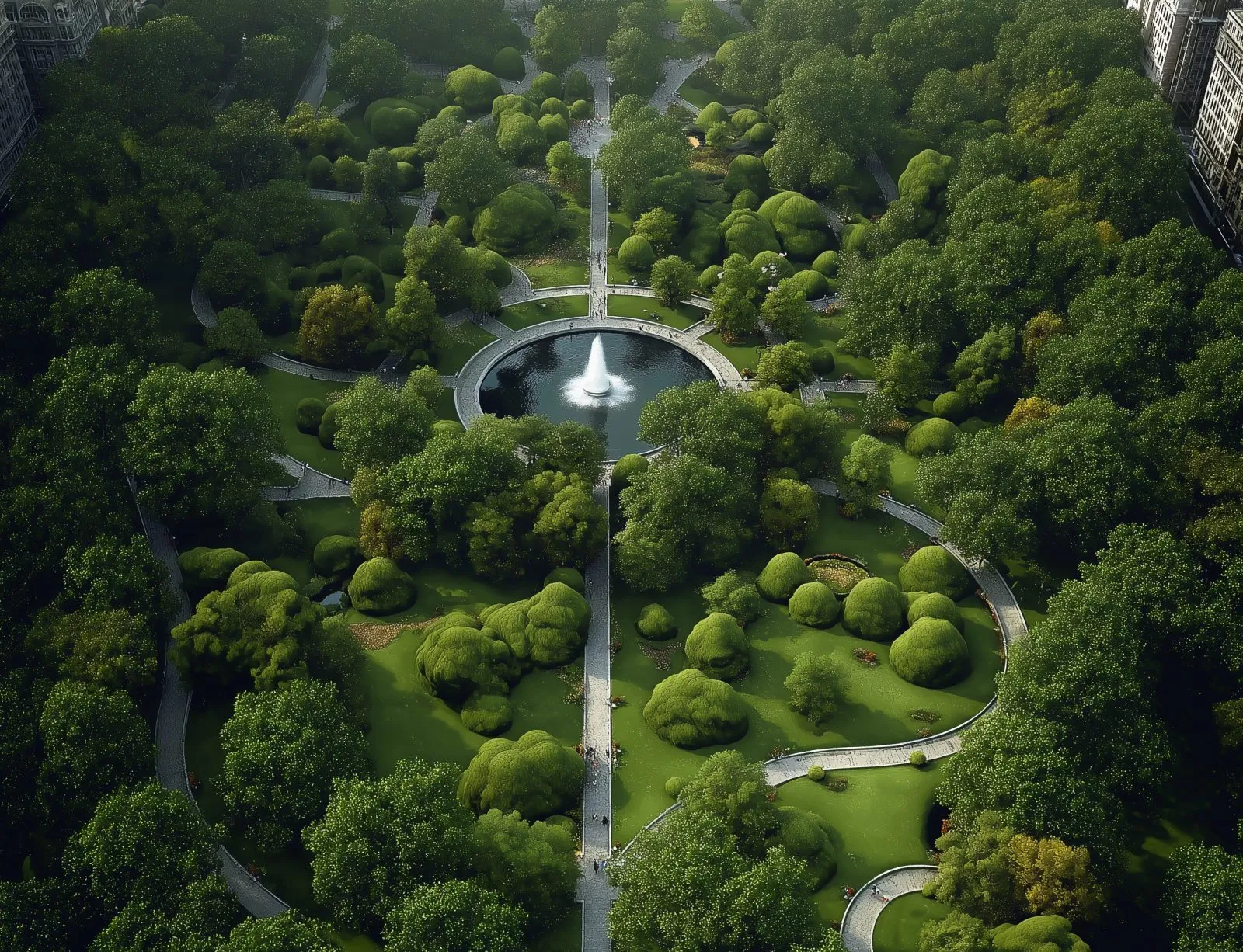
To build a city is to work backward from a vision of how we might best live together. It is an act of looking toward the horizon of utopia, not as a final destination, but as a guiding star that helps us navigate the complexities of the present.
In her sweeping investigation, Let Cities Build Utopia, Elle Griffin takes us to the shorelines and city centers where this vision has taken root. She unearths a truth often obscured by the rapid pace of development: there are repeatable blueprints for building cities that are more stable, more humane, and more prosperous for the people who live in them.
From the community-purchased soil of the Scottish Highlands to the sophisticated leasehold towers of Singapore, a recurring pattern of resilience emerges. Again and again, these examples point to a common orientation: Economies organized around long-term stewardship rather than short-term extraction, and land treated not as a speculative asset but as a shared resource meant to support housing, livelihoods, public goods, and collective flourishing.
This work serves as a vital reminder that the ground beneath our feet is a natural resource intended for communal benefit. When a city is permitted to return the value it creates to the community that creates that value, it becomes a social benefactor—a place where the very act of living and working contributes to the beauty, the safety, and the security of one’s neighbors. It transforms the resident from a mere tenant of the economy into a stakeholder of it.
Subscribe for free to keep reading.
Get every essay in your inbox
Weekly essays exploring a utopian future.



 Join 23,254 subscribers