
Let Cities Build Utopia
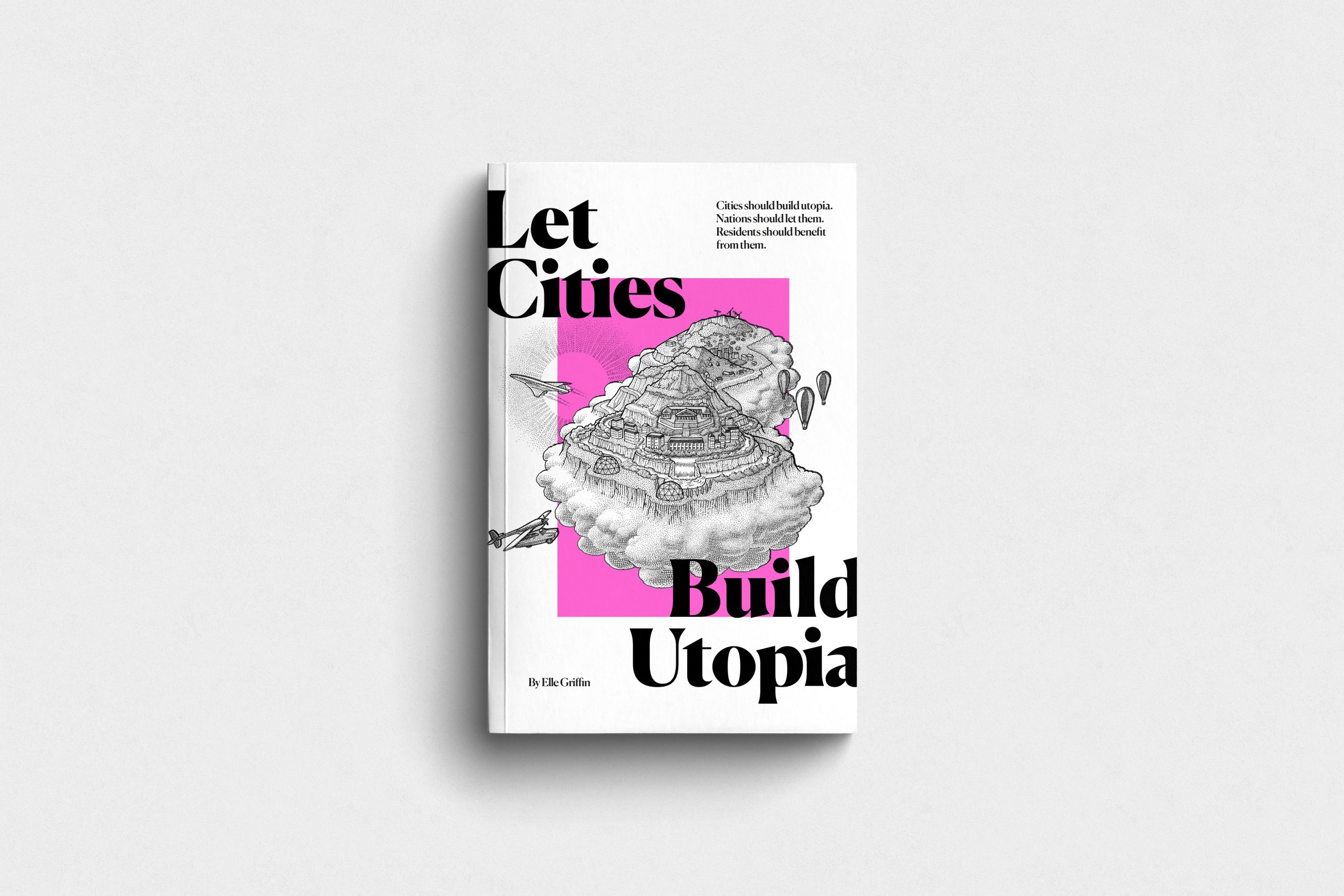
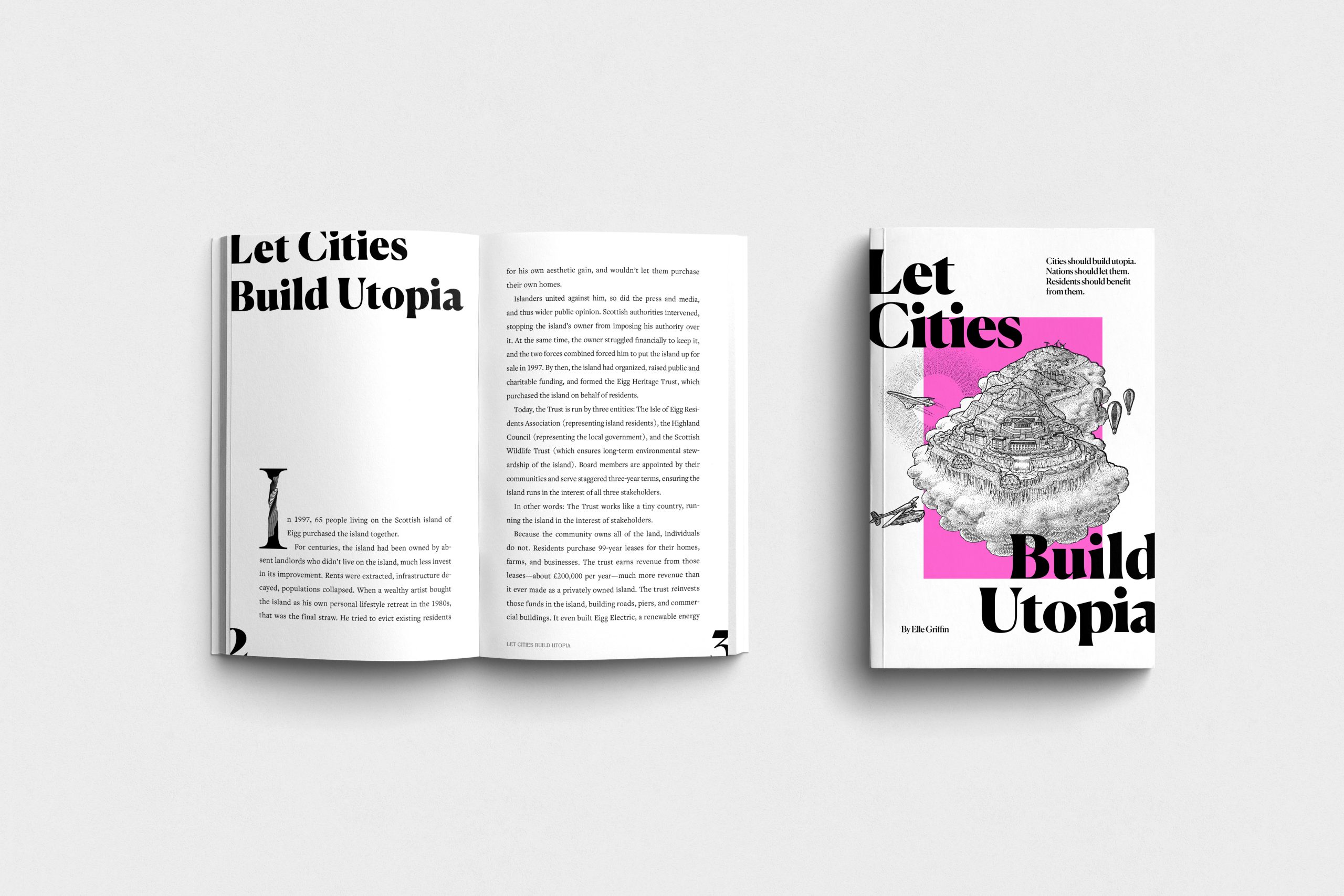
Cities should build utopia. Nations should let them. Residents should benefit from them. Collect the series to unlock every paid essay and get the digital or print edition.



 Land should be a public good—not just private property
An introduction by the Center for Land Economics.
Land should be a public good—not just private property
An introduction by the Center for Land Economics.
 The Scottish island that bought itself
100 residents now own the island they live on—not some billionaire.
The Scottish island that bought itself
100 residents now own the island they live on—not some billionaire.
 Cadbury built a city for workers—then gave it to them
It's still community-owned 100 years later.
Cadbury built a city for workers—then gave it to them
It's still community-owned 100 years later.
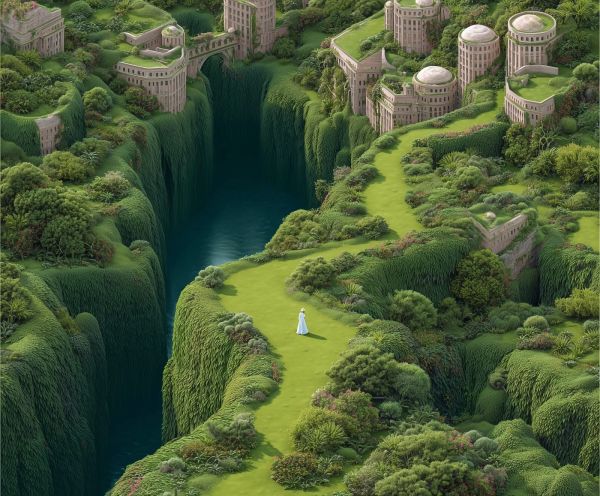 Ebenezer Howard built a better city than the government
That time a group of investors built the welfare city London couldn't.
Ebenezer Howard built a better city than the government
That time a group of investors built the welfare city London couldn't.
 San Francisco should be profitable—instead property owners are
Or how the Gilded Age screwed American cities and how we can reverse it.
San Francisco should be profitable—instead property owners are
Or how the Gilded Age screwed American cities and how we can reverse it.
 Disney World has more autonomy than any US city
And it built a much better one.
Disney World has more autonomy than any US city
And it built a much better one.
 Cities should own their land—like Vienna and Amsterdam
Land autonomy beats governance autonomy every time.
Cities should own their land—like Vienna and Amsterdam
Land autonomy beats governance autonomy every time.
 Singapore: Where your home loses value & everyone's better off
Singapore solved private property by making it worthless over time.
Singapore: Where your home loses value & everyone's better off
Singapore solved private property by making it worthless over time.
 Stop idolizing Hong Kong, Shenzhen, and Próspera
There are much more utopian cities than these.
Stop idolizing Hong Kong, Shenzhen, and Próspera
There are much more utopian cities than these.
 An indigenous nation just built a better city than California Forever
We should build more cities. But they should benefit residents, not just developers.
An indigenous nation just built a better city than California Forever
We should build more cities. But they should benefit residents, not just developers.
 Decentralize America: The case for cities that don't need Washington
Cities should be richer than the federal government. Mayors should matter more than the president.
Decentralize America: The case for cities that don't need Washington
Cities should be richer than the federal government. Mayors should matter more than the president.
When we talk about "cities of the future," we talk about autocratic city building in Dubai, autonomous city-states like Hong Kong, special economic zones like Shenzhen, corporate developments like California Forever, and charter cities like Próspera.
But these cities aren't utopias—far from it.
That's why I spent the past several months researching the most utopian cities of the past century. Turns out: Companies have built more beautiful cities than Hong Kong. Investors have funded a better quality of life than Shenzhen. Islands and counties have carved out autonomy for residents, not governments. Tribes are building more prosperous cities than Próspera.
The city of the future shouldn't just build skyscrapers and GDP. It should build utopia.
At 16,000 words and 1 hour and 50 minutes of audio runtime, this long-form essay is an exploration of how we can do that.
I am beyond grateful to the Center for Land Economics who is supporting this series as a patron and whose co-founder, Greg Miller, wrote the introduction. The pamphlet was written by Elle Griffin, illustrated by Nina Bunjevac, designed by Patricia Faggi, and edited by Adrienne Westenfeld, with line edits by Shoni Bruell. Ten percent of pamphlet sales go to writers whose research I relied on in my studies, and the contributors who helped me put it together.
Thank you for continuing to read and support my projects as I explore the deeper-researched pieces that will ultimately become part of my book We Should Own The Economy. I'm experimenting with slow journalism here and that means writing that could survive the next century, not just the next week.
Thanks for supporting that,
Elle Griffin
It cost $1,971 to make. It has earned $4,118. It stands at +$2,148.
Your copy contributes in profit.