

Grassroots movements are building garden cities
We're changing the aesthetic from the bottom up.

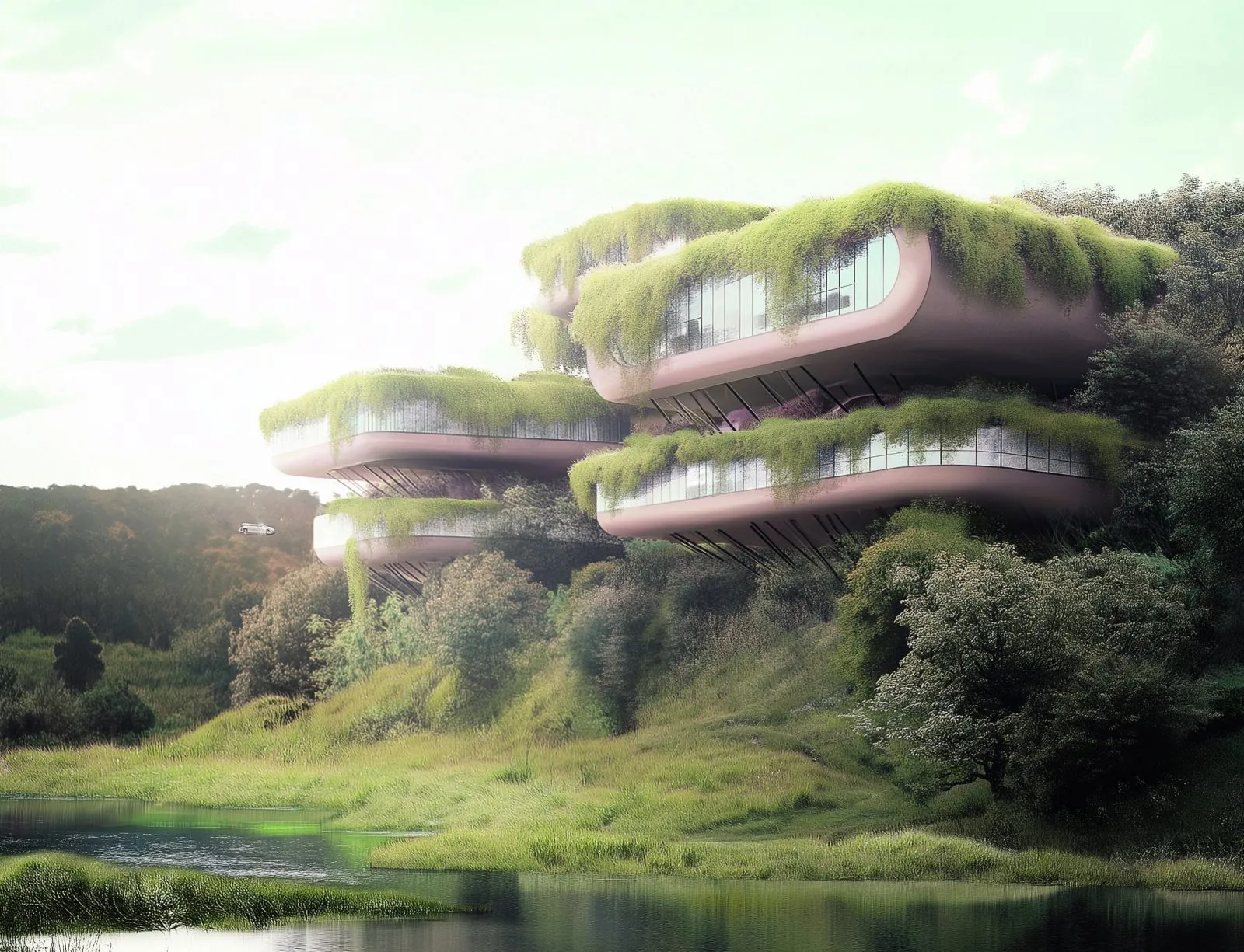
 n the first pages of Genesis, humans start in a garden. Cain then murders his brother and builds the first city as a walled enclosure focused on defense and self-preservation.
The story carries on through thousands of years and many generations, with the Cain lineage producing Babylon and God’s faithful producing Jerusalem, the one-time urban recreation of the Eden ideal. After that too falls away the Bible ends in a city-garden that is referred to as the “New Jerusalem,” descended from heaven.
One way to look at the biblical story is a winding narrative describing human striving to build a garden together. The battling metaphors of Eden and Babylon represent different approaches we can take. One approach values all of life, and the other creates division. These different perspectives become inbuilt in our architecture and urban designs, further entrenching their impact.
Modern cities resemble Babylon more than Eden. We forget that we, too, are living and thrive off of affiliation with other forms of life. Severing our cities from communal green spaces creates a scar over the psyche, leading to isolation and fear. A 2024 study by the Trust for Public Land found that cities with good parks “are more socially connected and engaged with their neighbors than residents who live in cities with lower-ranking park systems.” Higher-ranking park systems also have “on average 26 percent more social connections between low- and high-income individuals.”
Poor urban design also exacerbates acute and longer-term environmental issues, culminating in existential crisis. The simplest way to mitigate these issues is to build parks where communities can congregate, bringing mutual benefits to both humans and the environment we depend upon.
Subscribe for free to keep reading.
Get every essay in your inbox
Weekly essays exploring a utopian future.



 Join 23,254 subscribers