

Multi-country civilizations are good, actually
A vibe shift in favor of annexation would be counterproductive 🌏

I.
The year is 2033, and a unit of the People's Liberation Army has just stormed the Presidential Office in Taipei, forcing the President of the Republic of China to surrender. Thus ends the full-scale invasion of Taiwan that Xi Jinping, recently elected to a fifth term as General Secretary of the Chinese Communist Party, has long dreamed about.
From afar I follow the news, and wonder: why? What was the point of this? Who will actually benefit?
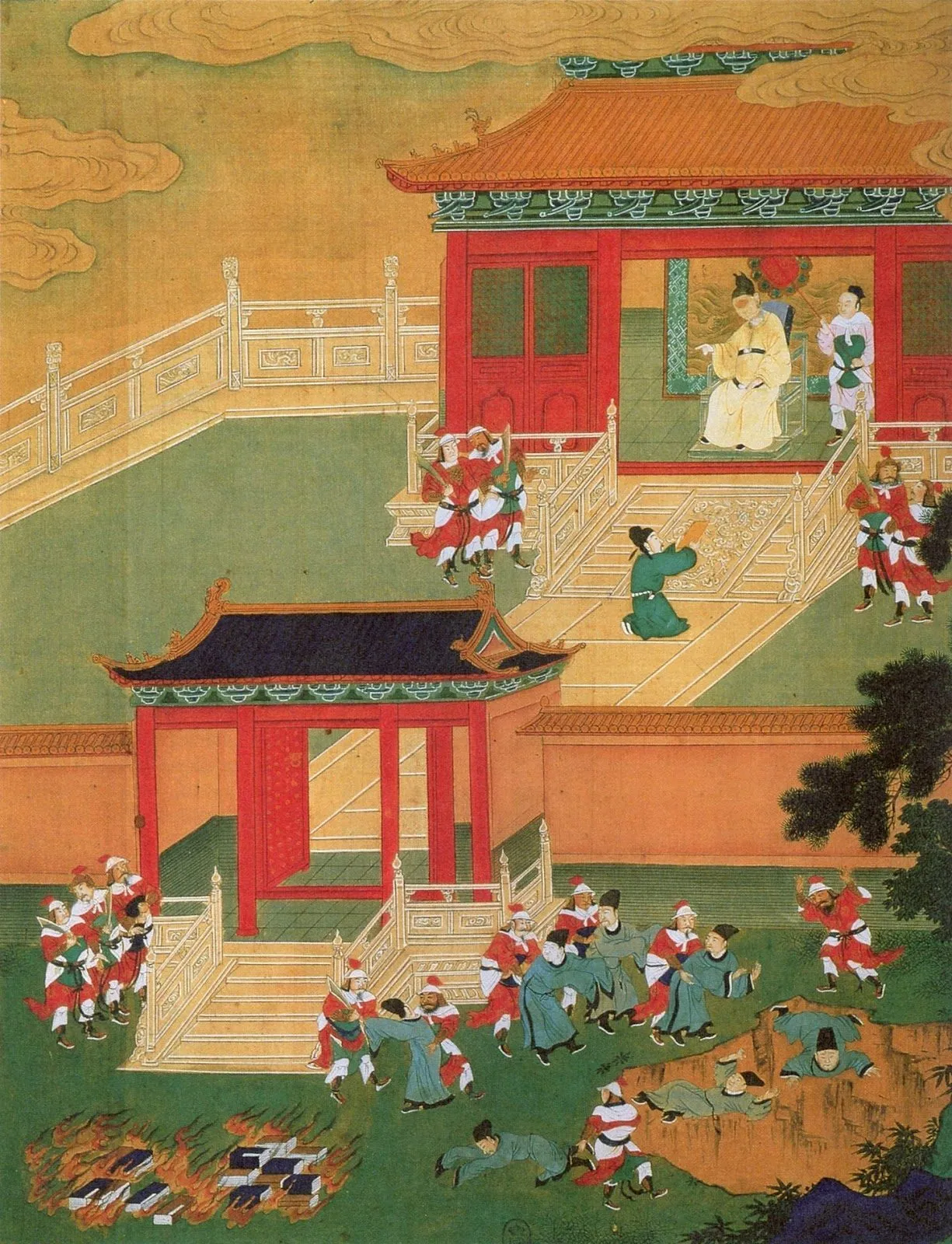
The obvious answer (I suppose as I write this hypothetical future timeline in 2025) is Xi Jinping himself. And, more generally, the government of the People’s Republic of China. Taiwan is the one rebel region of China that didn’t fall to Mao Zedong’s communist army by the end of the civil war in 1949, so the Communist Party has maintained a historical claim on the island. Historical claims are kind of a weak reason to do anything, but some people care about them a lot. And so the PRC came up with its “One China” policy to justify its attitude. Annexing Taiwan would be strategically useful. It would fulfill one of the Communist Party’s core promises. Xi Jinping would forever be remembered as a glorious leader who completed yet another unification of China, following the legacy of emperor Qin Shi Huang in the 3rd century BC. I guess.
But other than that, who would gain anything? Not the people living in Taiwan, who feel more Taiwanese than Chinese, and a large majority of whom oppose being reunited in China even with a “one country, two systems” situation like in Hong Kong. Not the ordinary people living in the PRC, who are more divided on the question but would certainly suffer from the hazards of war: economic disruption, isolation of China from the rest of the world, casualties from the conflict. Not proponents of democracy, for whom Taiwanese governance is a shining success story. Not the semiconductor industry, of which the most important company in the world, TSMC, is based in the city of Hsinchu. Not the people using the outputs of the semiconductor industry, i.e. every person on Earth who owns an electronic device. Not anyone living in an economy, since a major war involving China would necessarily wreak havoc basically everywhere.
So an invasion of Taiwan would be a pretty bad deal overall. Still, as I try to steelman the case, I find one thing that could seem worth paying all of that for. Something that Xi Jinping and his ilk presumably care a lot about, more than they care about Taiwanese people, foreign owners of iPhones, or the welfare of their fellow citizens: the long-term flourishing of Sinic civilization.
Subscribe for free to keep reading.
Get every essay in your inbox
Weekly essays exploring a utopian future.



 Join 23,254 subscribers