

Even Christopher Nolan prefers 70mm film
With all the technology in the world, sometimes the more beautiful thing is less of it.
 t was when I was sitting with a friend, sharing memes through bouts of silence and chortling, that I noticed the reality of what we were really doing. We were sat a cushion apart, sending every image out of the room, through a server miles away, and back again to cross the couch. To share meaning through nothing more than technological mediation, while sitting physically next to one another, is just absurd. And yet it contains so many layers of historical human development that we sometimes forget that the technology we take for granted in our everyday lives is a product of the deepest waters of collective imagination, and a choice about what form that ought to take, writ large.
Today it’s AI this, AI that…but we have, in fact, been arguing about our technologies in the moral language of good and bad for a very long time. For more than 2000 years the optimists have been suggesting automated tools might finally deliver us from toil, while the pessimists have warned that they will deliver us from relevance. Human history nevertheless agrees, without ever quite saying so, that technology is a thing to be adopted or resisted, celebrated or mourned, diffused or banned.
How do we judge the tech we build in a way that resists good and bad, but instead focuses on what is more or less beautiful, and where the beautiful is not separable from the good? Instead of scale and capability, we chart a course through design and discernment, where all things should rightfully begin.
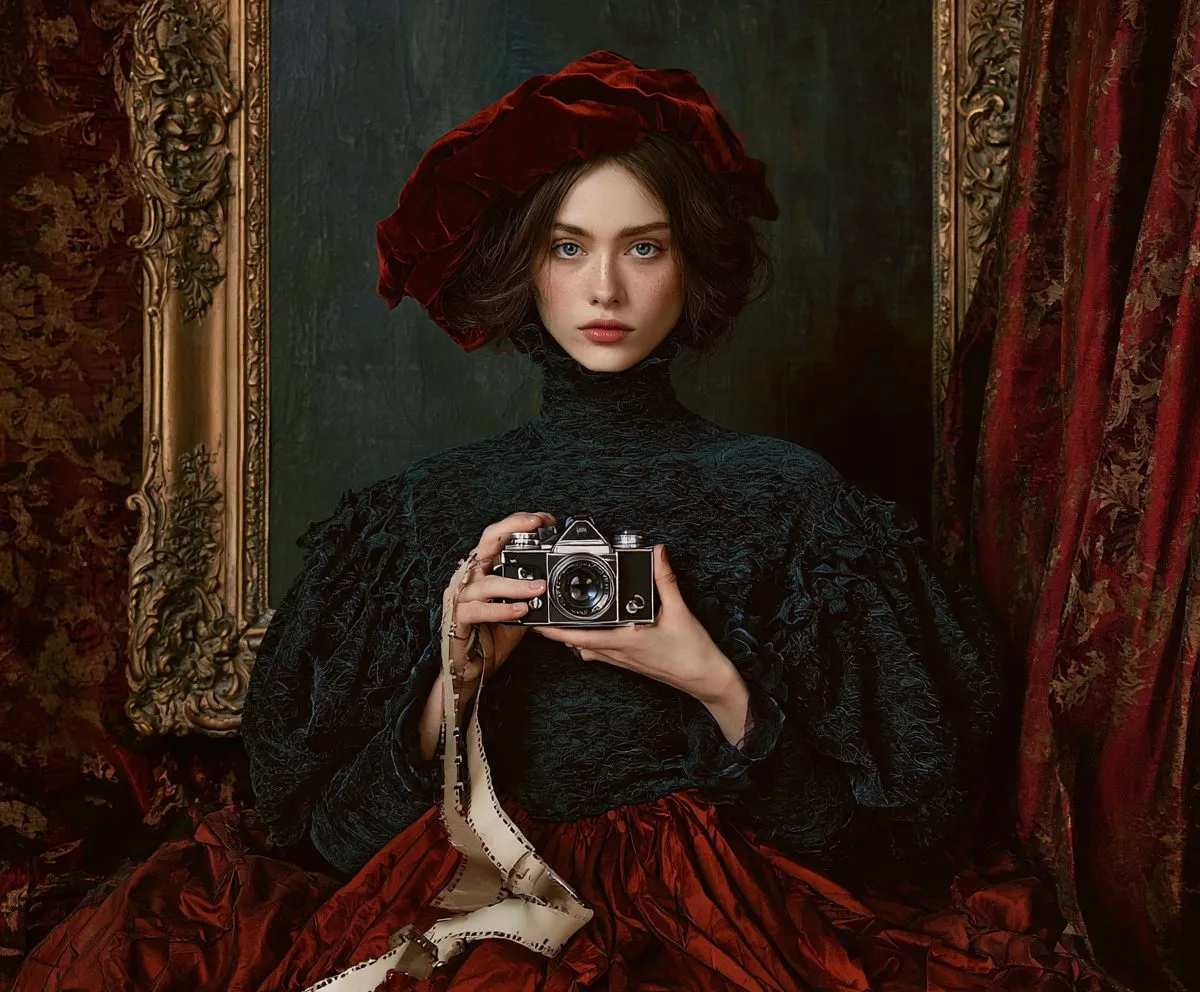
Christopher Nolan’s The Odyssey, capturing the zeitgeist of romanticism, speaks on this point from the vantage of an entire industry. Nolan shot the film from first frame to last on IMAX film stock, the first feature ever to be made this way, which means that in the few theaters equipped to run it as intended, one of the oldest stories we have still travels as a ribbon under precise tension, drawn through a frame, with human hands at either end of the machine. Nolan has intimated that once we strip away technical vocabulary, what we have are aesthetic reasons. The image, he believes, is simply more beautiful. Here is one of the most commercially powerful auteurs alive, working in the most thoroughly industrialized art form we have, and his advantage consists in refusing a kind of automation that the rest of his industry accepted twenty years ago.
The Greeks would have understood him, because their language performed the fusion automatically. To kalon, the construction Aristotle reaches for when he wants to praise an action, means beautiful and noble and fine all at once, and one of the highest compliments the Athenians paid a person was a compound: kalos kagathos, the beautiful-and-good, as though the two qualities could not be certified separately. Virtuous action, Aristotle writes in the Nicomachean Ethics, is undertaken for the sake of the beautiful (tou kalou heneka). Judgment of this kind proceeds by degree along a single scale, and not by verdict between two bins.
Subscribe for free to keep reading.
Get every essay in your inbox
Weekly essays exploring a utopian future.


 Join 23,254 subscribers