

If we fix the phone, we fix society
Here's how I would redesign devices for a more analog world.
Or subscribe to get every pamphlet too, from $50 a year.



 Join 23,238 subscribers
 was recently visiting my family, all of us sitting by the fire, everyone on their phones. When I got up to get a drink, I peeked at everyone’s screens—my dad was doing the crossword puzzle, my sister was reading a book, and my mom was playing solitaire. This same tableau might have played out 20 years ago and my dad would have been holding the daily paper, my sister a book, and my mom a deck of cards. So why does that tranquil setting turn antisocial when we’re doing the same activities on our phones?
I asked my family. After tossing around some ideas, we came to the conclusion that, with phones, we don’t know what each person is doing. One might be answering texts or scrolling social media, perhaps paying attention to the happenings of far-away friends or relatives rather than the ones in the room. But if that person were sitting with a deck of cards playing solitaire, we would know they were still present with us, we would still talk to one another. It would be a Norman Rockwell painting, all of us enjoying quiet solitude together. Instead, it’s as if each person is in their own world.
Not only do we lack context, but there’s a sense of distraction. I happened to be reading a fantasy novel at the time, but that doesn’t mean I didn’t also see texts scroll by. I might look something up from my book, and follow it down a Wikipedia rabbit hole. I might suddenly remember to add something to my grocery list, and shift over to my Notion app. I might send myself an email reminder of something I need to do during the work week. At any given moment, I might be pulled away from my book, which means we’re not purely sitting together in peaceful idleness, but partially here and partially pulled elsewhere. We can hide the distraction amidst other activities, but we’re multitasking no matter how much we try to single-task, increasing the sensation that we are all living in isolated microcosms.
This has led me to the conclusion that the “one device for everything” concept has serious drawbacks. It’s great when you can use your phone as a plane ticket as easily as your credit card or your camera or Uber hailer. But when you can do everything in one place—the good things like read and listen to music and do the crossword, as well as the social things like texting and social media and YouTube, as well as the work things like email and Slack and calendars—we’re constantly code-switching in a way that leaves our inner worlds scattered, and our exterior worlds looking like a bunch of shells staring down at our phones.
And because there is always the possibility of some new notification, we twitch toward our phones as if they are cigarettes we can’t quit. We tap the phone idly to see if there’s something new, then continue to do so all day. If I’m standing in line, I might as well look at my phone. A quick trip to the bathroom, might as well check my phone. I don't even have any social media accounts, or even the Substack app installed on my phone, but I still have texting and email and a browser and that means the constant possibility that there might be something to grab my attention. How much more difficult must it be with TikTok and Instagram and Facebook and YouTube, among the most popular apps by usage?
I think the “before smartphone” times were better. We had more devices—a camera for pictures, a GPS system for directions, a Walkman or iPod for listening to music—but that solitary focus was important. It was nice to carry a camera on a hike without also carrying communication with work. It was nice to get directions without also seeing texts from friends pop up when I was driving. It was nice to walk around listening to my Walkman, the same CD over and over again, rather than being bombarded by the next thing up in the algorithm. And our friends around us had the necessary context—we knew when someone was listening to music or reading a book—we were still present with them. There were no notifications to draw us away.
Now we are inundated with them.
When gathering with a group of friends, all the phones sit on the table, everyone’s eyes flicking across the screens at each new text and notification, permanently distracted from the conversation we’re having. Some even pick it up and respond—having a conversation with someone who isn’t even in the room with us! And I loathe the distraction—I don’t want to be interrupted from my work, the book I’m reading, or the movie I’m watching, even if it’s by a friend sending me a message. When I’m watching a movie, I want to be watching a movie—not also checking my phone!
Because of this, I’ve developed a rather austere communication style. The only notifications I have turned on are phone calls. Texts are set to silent, with no banner alerts with the exception of my husband and family members. I only use text messaging to share photos with my family group text or schedule an in-person gathering with friends. I batch answer everyone at once and never use texting to actually have a conversation—that should happen in-person! My philosophy has become something like: Let’s never talk until we are in-person. And then when we are in-person, let’s give each other our full undivided attention. And let’s continue to remain steadfast friends despite the lack of communication in-between because our real relationship lives offline, not through text messaging.
Unfortunately, this philosophy sometimes burns me in practice. I recently learned that a family member assumed I no longer liked them because I never texted them. Friends have been upset at my lack of response—sometimes I’ll see a text and mentally plan to respond later only to forget. And if I never see a friend in person, this communication style means that, in practice, I never talk to them. At social gatherings, sometimes I’ll find myself sitting at the table without my phone, frustrated that my friends aren’t paying me the same attention, or upset that my husband’s watch keeps vibrating while we’re having dinner—the disruption causing both of us to ask, “what were we talking about?”
To me, all of the “social” behavior happening on our phones is actually anti-social behavior. We’re paying attention to notifications more than the things we are present for in real life.
This has me longing for my teenage years when the only way to reach me was by landline. Only my closest friends had my home phone number—the rest I saw at school. When my family was out and about, there was no way to reach us. When we returned home, we checked our answering machine for a once-a-day batch of notifications. And if we were watching a movie or eating dinner, we took the phone off the hook. I was fully present in my life—we all were! Because that’s how all communication worked at the time, our default communication style was either in person, scheduling to be in person, or “call me back when you get a chance!” No one was bothered by long absences in between, and for the acquaintances and family members we saw less often, we sent lengthy Christmas cards complete with a paragraph for every family member.
That was better.
Now the default is not just text messaging, but also Slack and WhatsApp and Telegram and Discord and DMs on Substack. Not to mention notifications from Instagram or Facebook or whatever else. Today, Christmas cards are just a postcard with a photo on it. We’re expected to stay in touch and follow via Instagram, and the result is that I feel less connected to friends I text with, than when none of us could text at all.
Make no mistake: this is disturbing us.
For a long time, I thought I needed more peace and quiet than everyone else—too much noise, too much stimulation, and I start to feel frazzled. I’m aggravated, not just by phones, but by TVs in restaurants and bars, advertisements flashing at us on buses and trains. But now I think everyone else needs the same amount of peace and quiet and we’ve just adapted not to have it. Instead, we live on a hyperstimulated level, everyone twitching from the constant grasps at our attention. I can see people’s eyes flicking about when I talk to them, checking to see if there’s something else that might pull them away. I think this is the cause of so much of our anxiety and ADD.
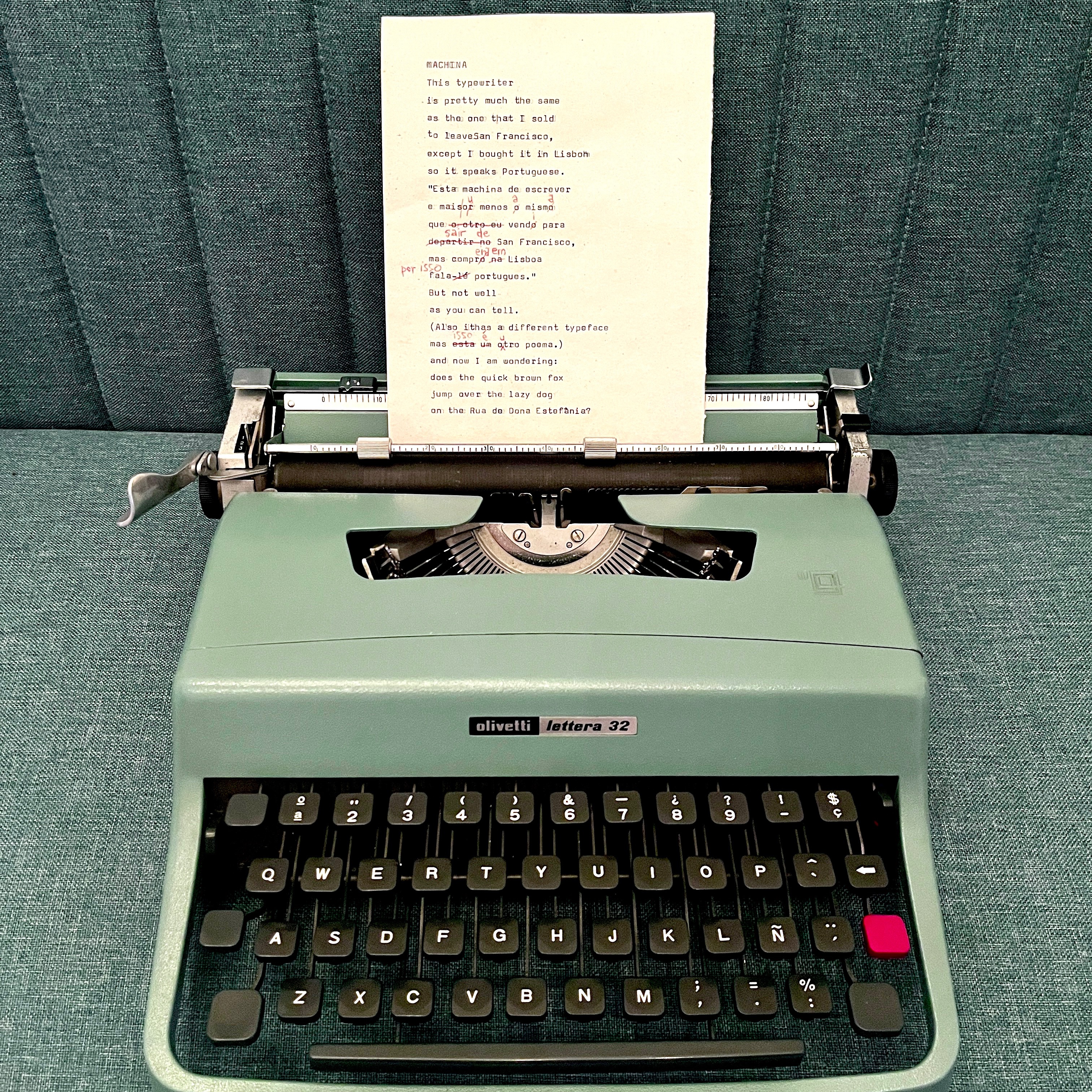
Steve Jobs’ tech minimalism—one device for all—created a notification machine we are now carrying around in our pockets. And this is a reality many of us are now trying to unbundle: with screen-blocking apps that keep us from accessing social media at certain hours, with Yondr pouches that lock phones away during comedy shows and events, with policy that keeps kids off phones at schools or away from the more addictive elements. We are seeing a resurgence in disposable cameras, cassette players, typewriters, Kindles, and third devices that allow us to single-task away from the busyness of our phones.
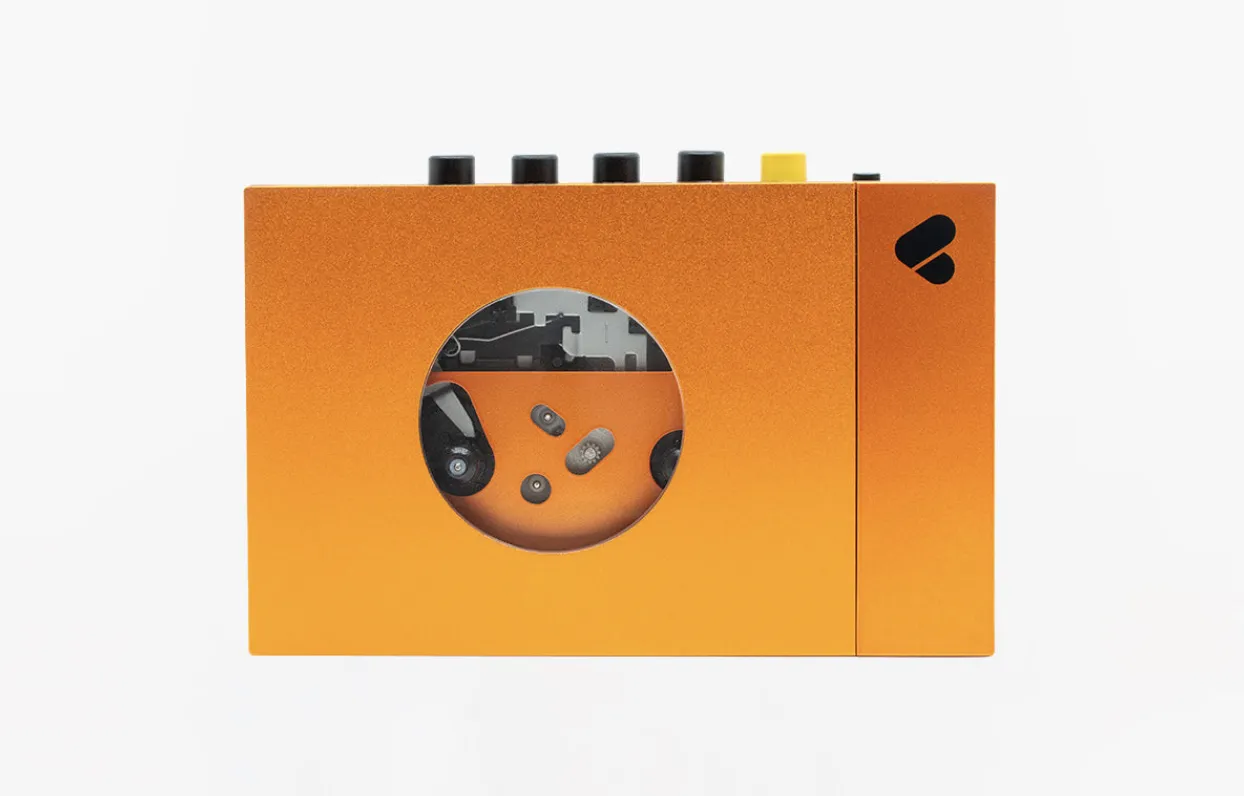
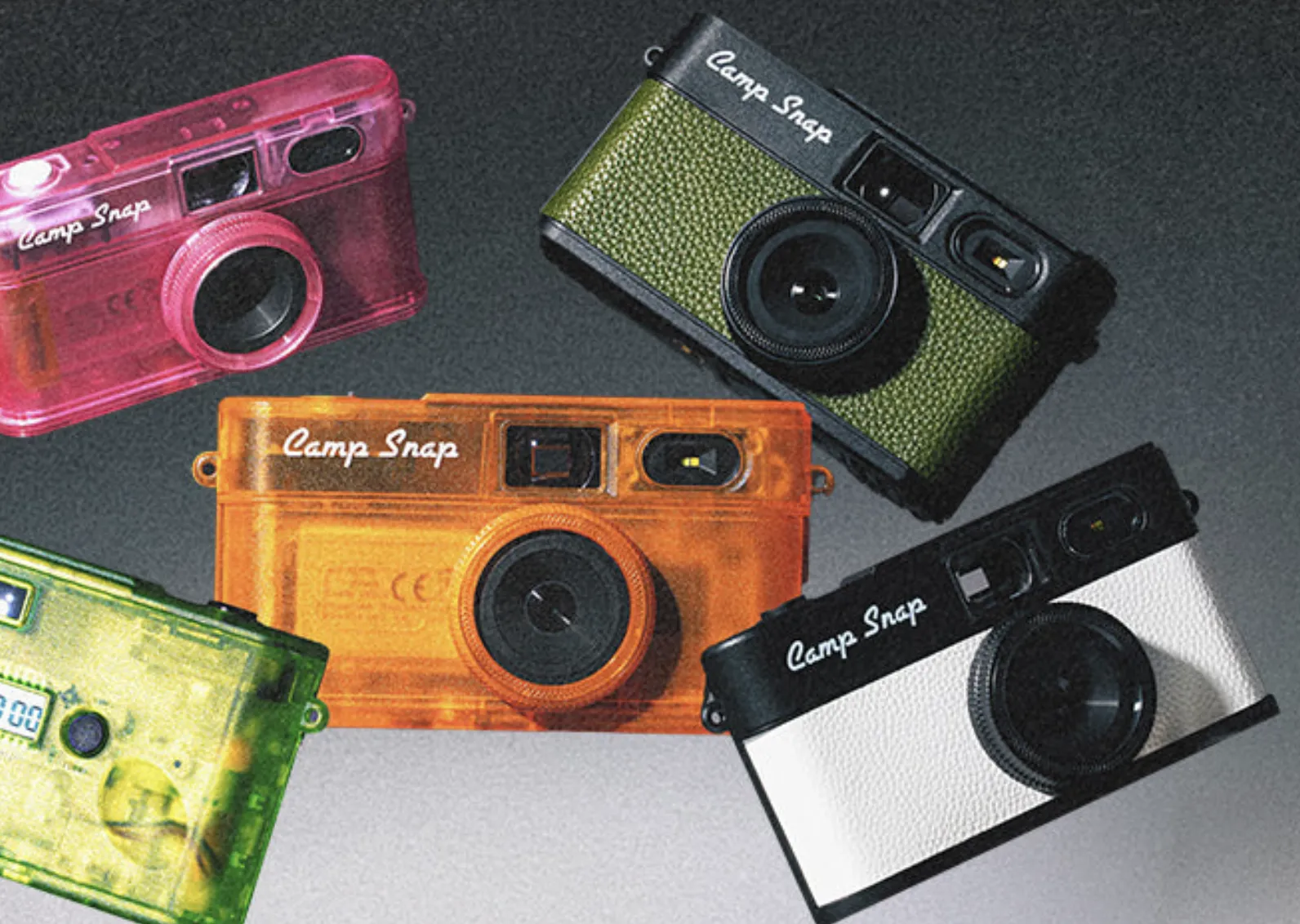
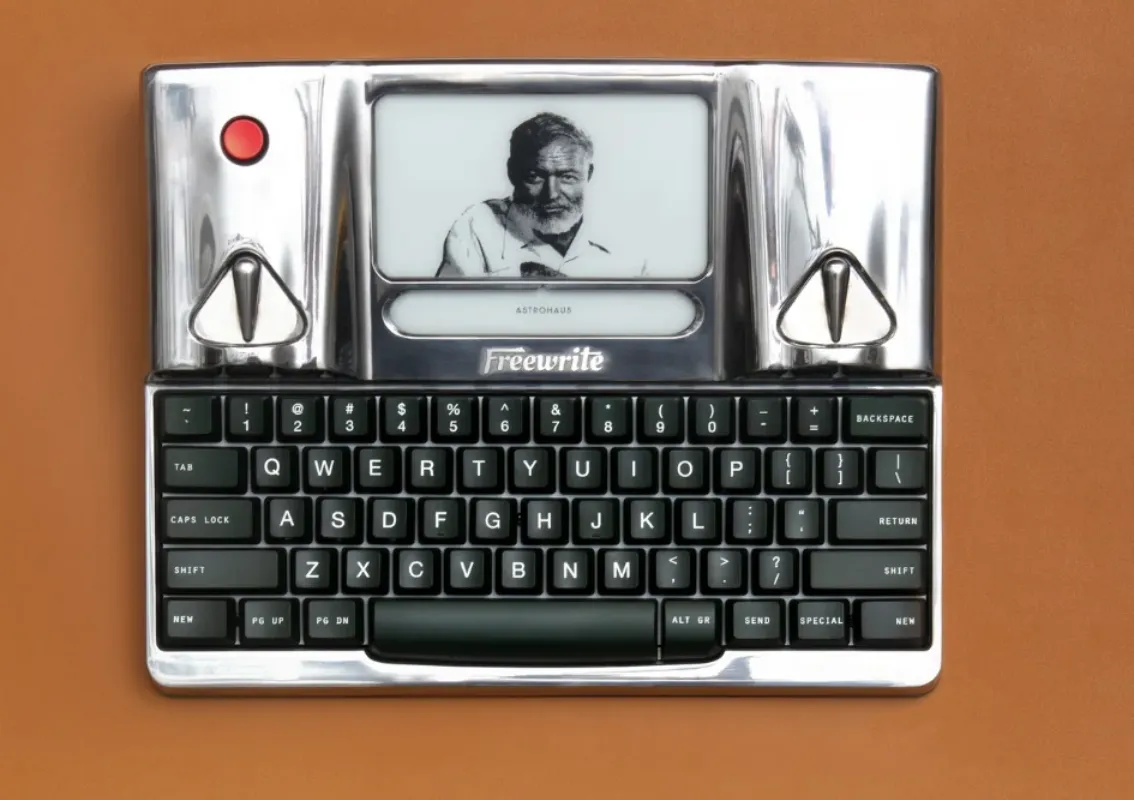
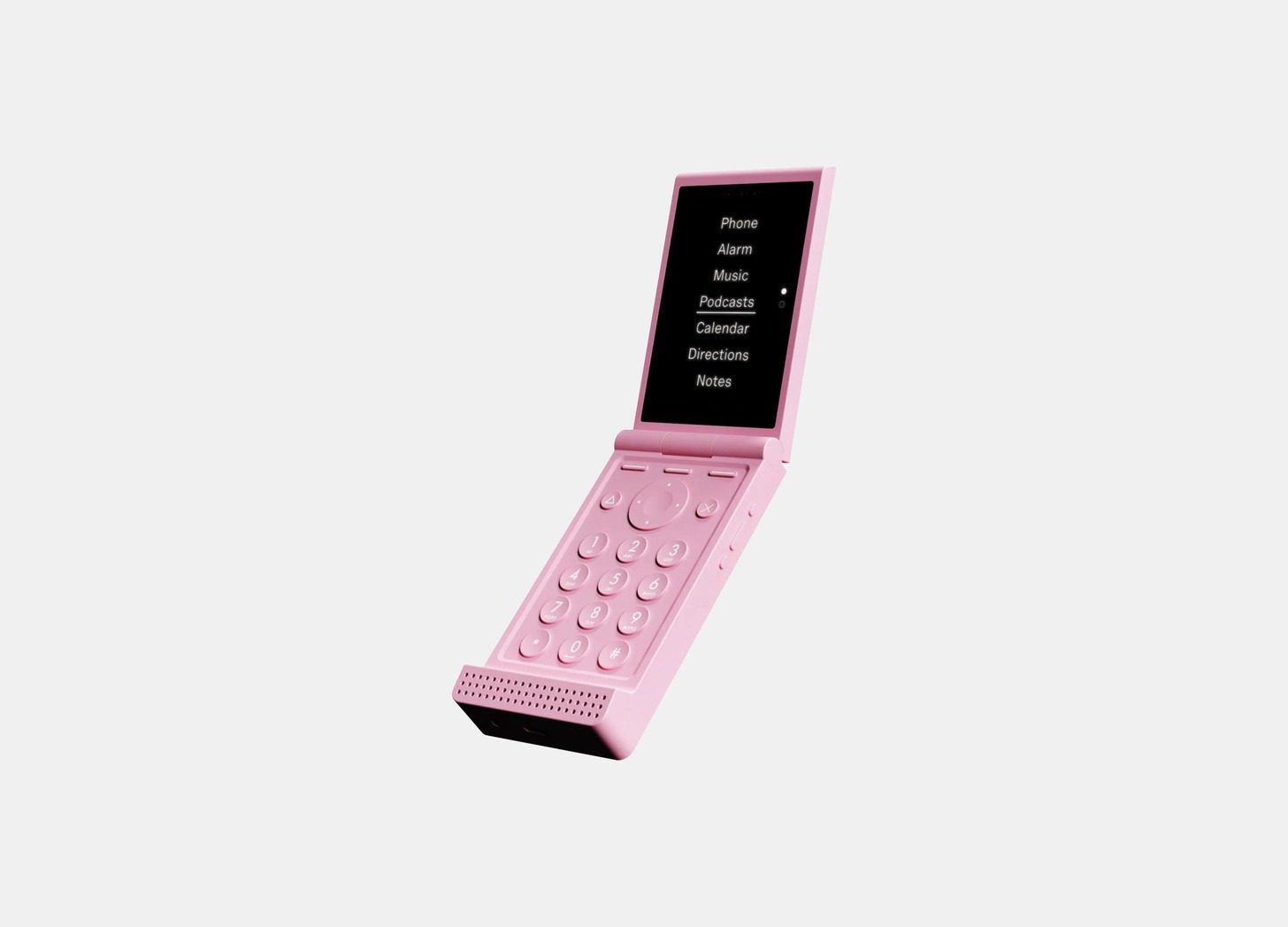
It’s a catch-22. We have to have our phones and can no longer live life without them, but we also wish we could go without them, so we’ve created a host of third-party apps and technologies that block us from using them. This is a design problem now being tackled by a wave of hardware designers, the most prominent attempt being the Light Phone. There is nothing to do on this phone except call and text, with a few minor utilities in addition.
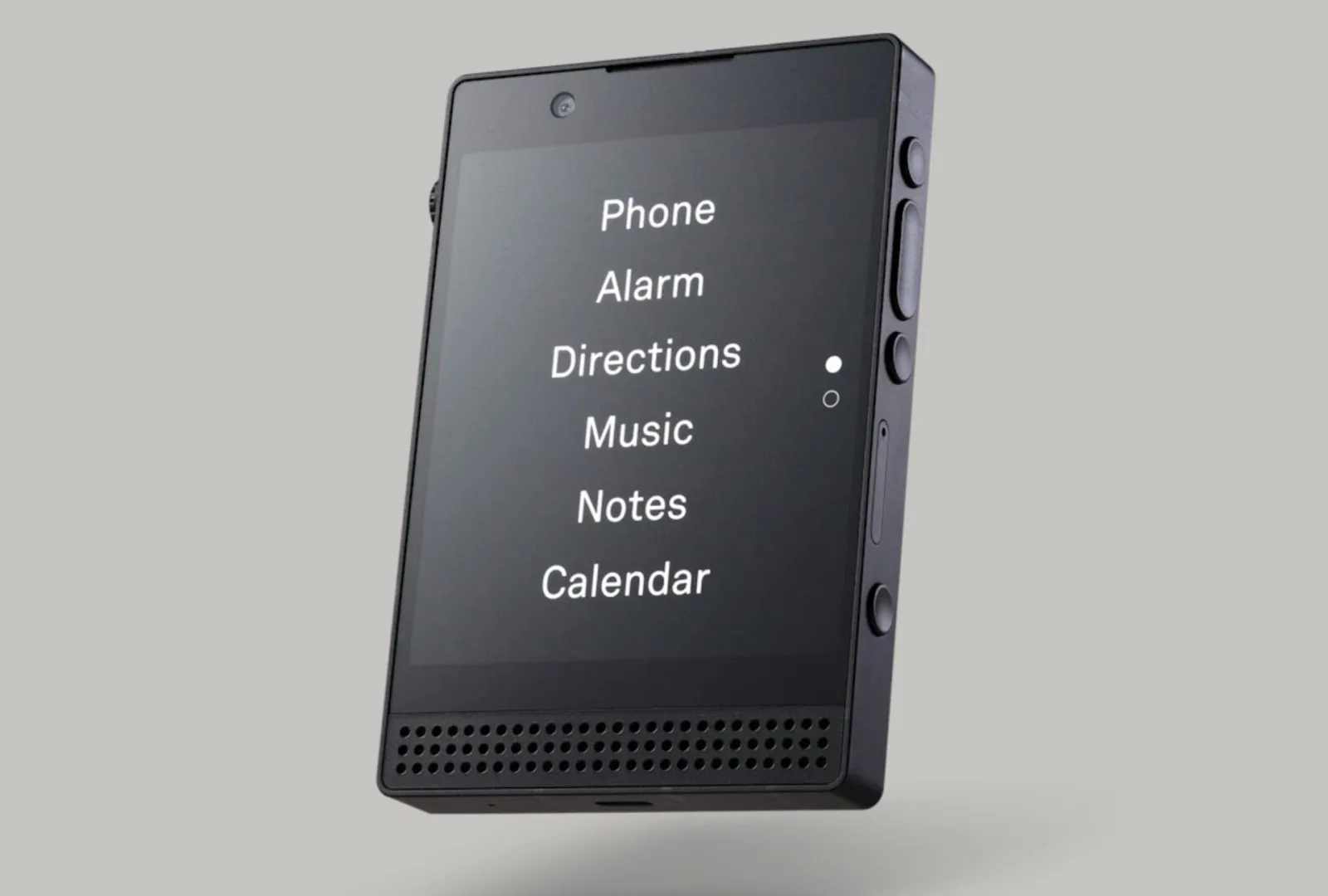
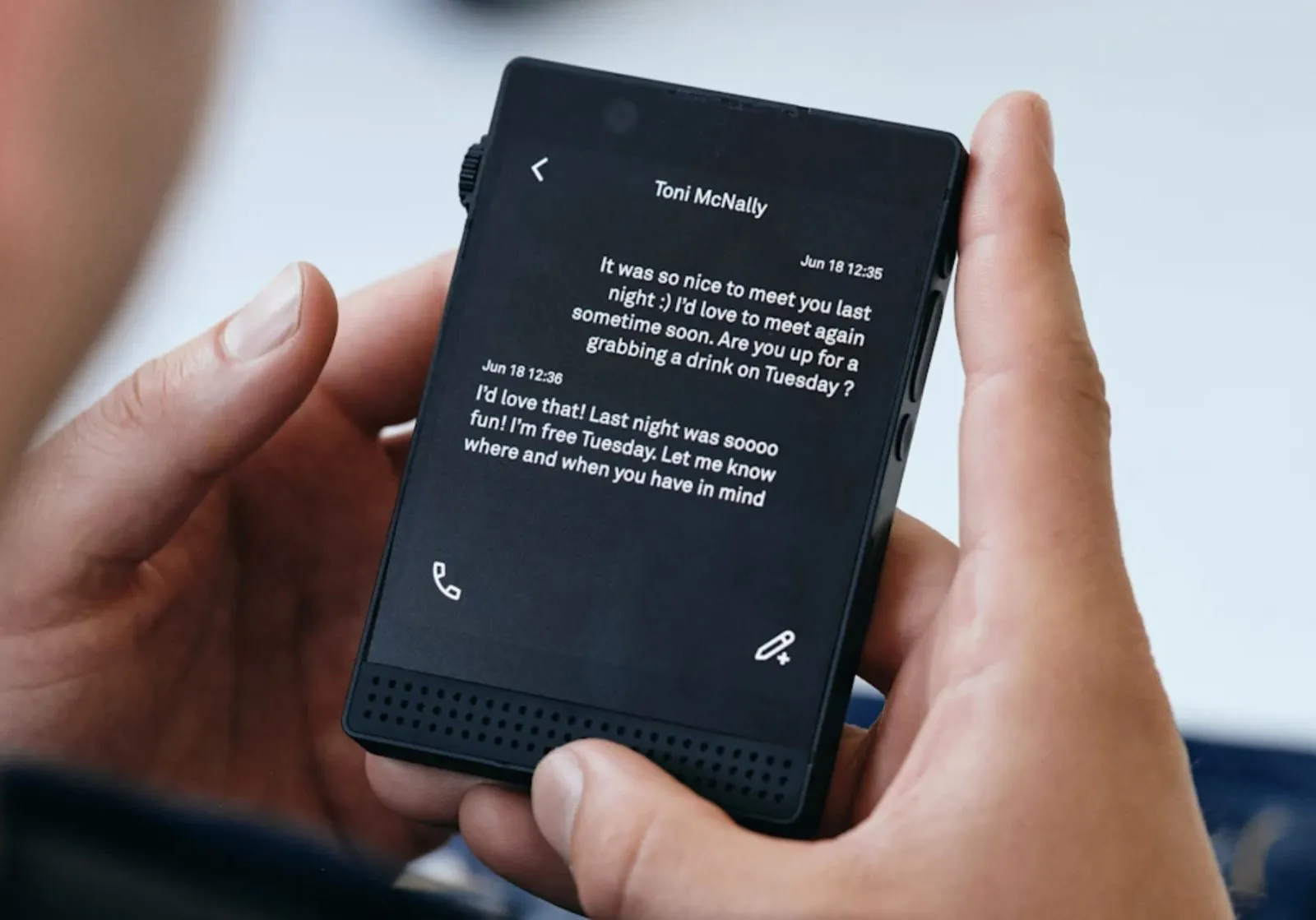
I especially love their new flip phone.
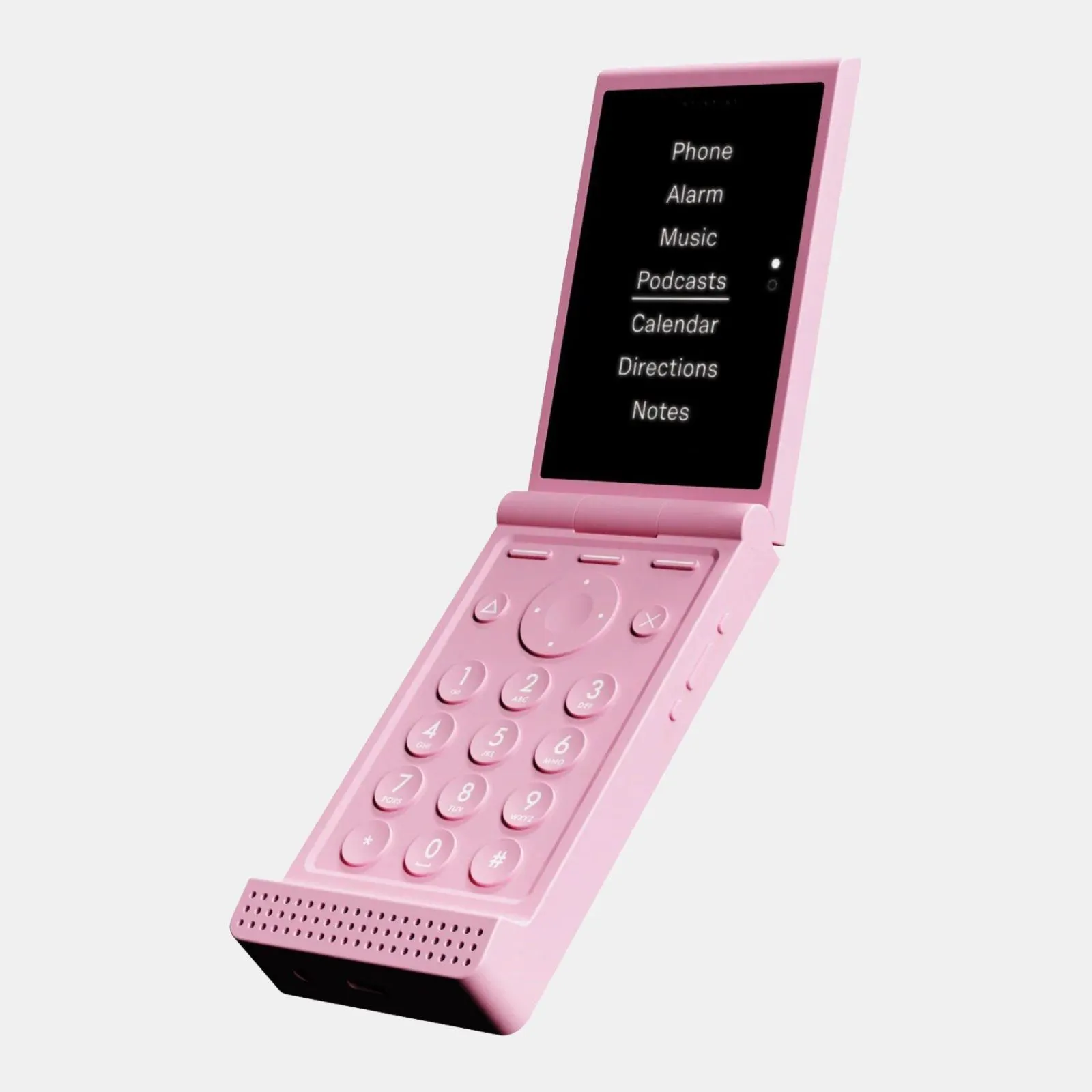
There’s a lot to love about this phone. There’s nothing to scroll, there’s not even a browser—and wow did they nail the aesthetic—but it falls short in one crucial way: It imagines that the phone’s sole and most important use is as a phone and messaging device. It is not. My phone is also my wallet; it serves as my boarding pass when I grab a flight; it’s how I hail an Uber or a Grab, or scan a concert ticket. I need my Authenticator app to log in to anything, and I have to check my email for a confirmation number when I’m returning a package. When I’m on a hike, it is my GPS device and map, as well as a way to call emergency services via satellite. When I recently arrived at the airport, expecting to print my boarding pass from an Alaska Airlines kiosk, I couldn’t do it. I was forced to download the Alaska Airlines app. When I arrived in Canada, I had to download Canada’s visa app to get into the country. I had to do the same entering England.
For the Light Phone to have calling and texting but none of those utilities makes it entirely unusable. As Katie Lowe points out, after she switched to the Light Phone she had to get an iPad to use her bus pass or pull up a QR code. It would be much easier to delete all the apps I hate from my phone than have a dumb phone that can’t download any of them. Our world’s no longer built for it. Meanwhile, the Light Phone keeps texting, one of the most disruptive notifications. As Katie pointed out, even with the Light Phone she finds herself obsessively checking for texts. For this reason, I think the phone should be reimagined solely as a utility—it’s the wallet and the boarding pass and the Uber—but we should get rid of notifications. That includes texting.
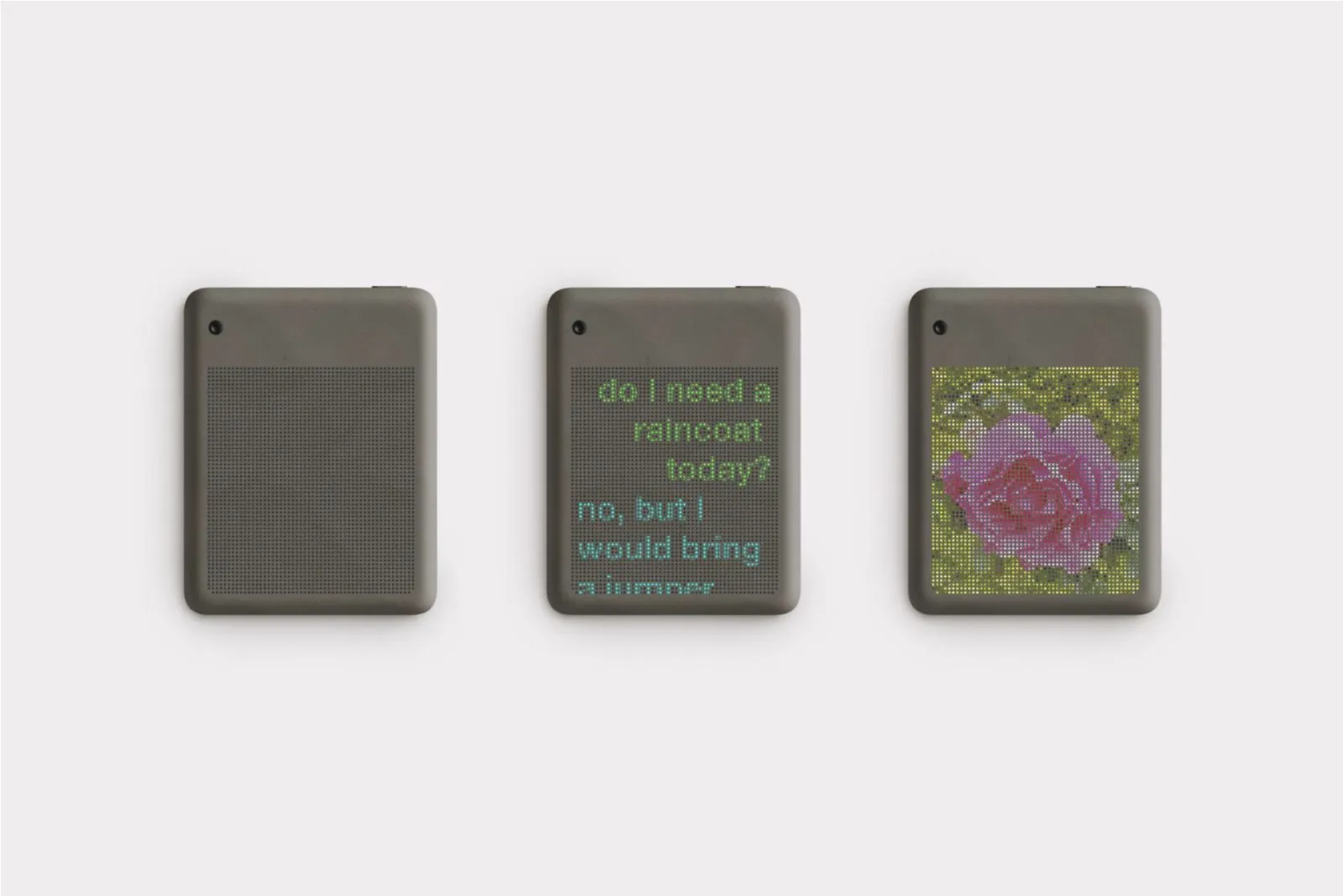
My favorite concept to this end is one by Future Facility called Susa, which gets rid of the screen altogether. This phone is navigated solely by voice and with a texture that feels more like slate than polished glass. You can still make a phone call, but everything else is pure utility. You’ll have to wait to get back to your computer to send text messages or check emails or scroll a browser. I think that’s better.
This puts me in mind of Amish phone shanties. When the religious group first adopted the phone, they put it in their homes only to be annoyed when it rang at dinner time. To avoid the notification, some built phone booths down the lane where they could check messages once a day, and call neighbors to leave a message in return. Others, with separate offices where they worked, kept their phone in the office. In the early days of the personal computer, the rest of the world worked the same way. There was a computer room, in our homes and our schools, with a threshold one had to cross to enter the internet. This separation was ideal, limiting access to a seated hour or two rather than a constant barrage out in the world.
There is no reason a device like Susa couldn’t return us to the computer room era. Phones could be notification-free, scrolling-free utilities we carry around for maps and wallets, and we could answer all our notifications once we return to our laptops.
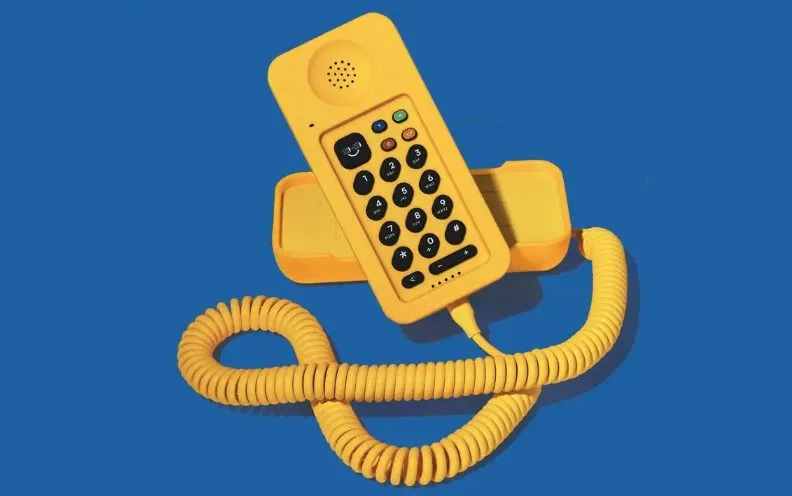
Interestingly, we are already designing this world for kids. There seems to be unanimous agreement that children shouldn’t be subjected to the same onslaught of notifications and scrolling, so we recreated the landline for them. Tin Can plugs kids into a wall, limits who can call them and during what hours. Why aren’t we making all communication like this?
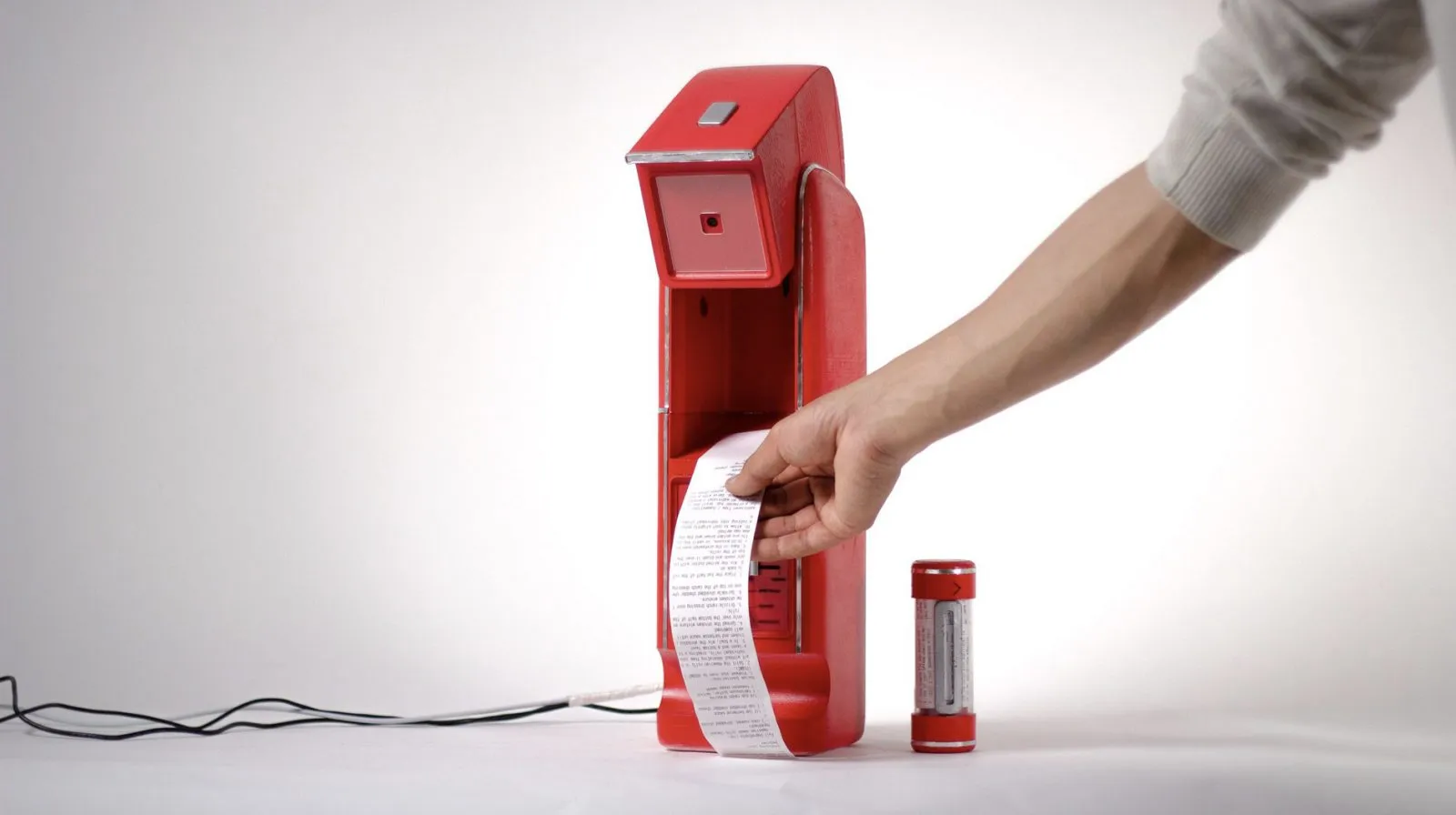
Because we don’t have this world, adults are going to absurdist lengths to separate themselves from their devices. I especially appreciate Ben James’ project to take his text messages analog. He made a tiny fax machine out of a receipt printer, rigged it to an iPhone, and plugged into the wall. Now whenever he gets a text from a friend, it prints it out.
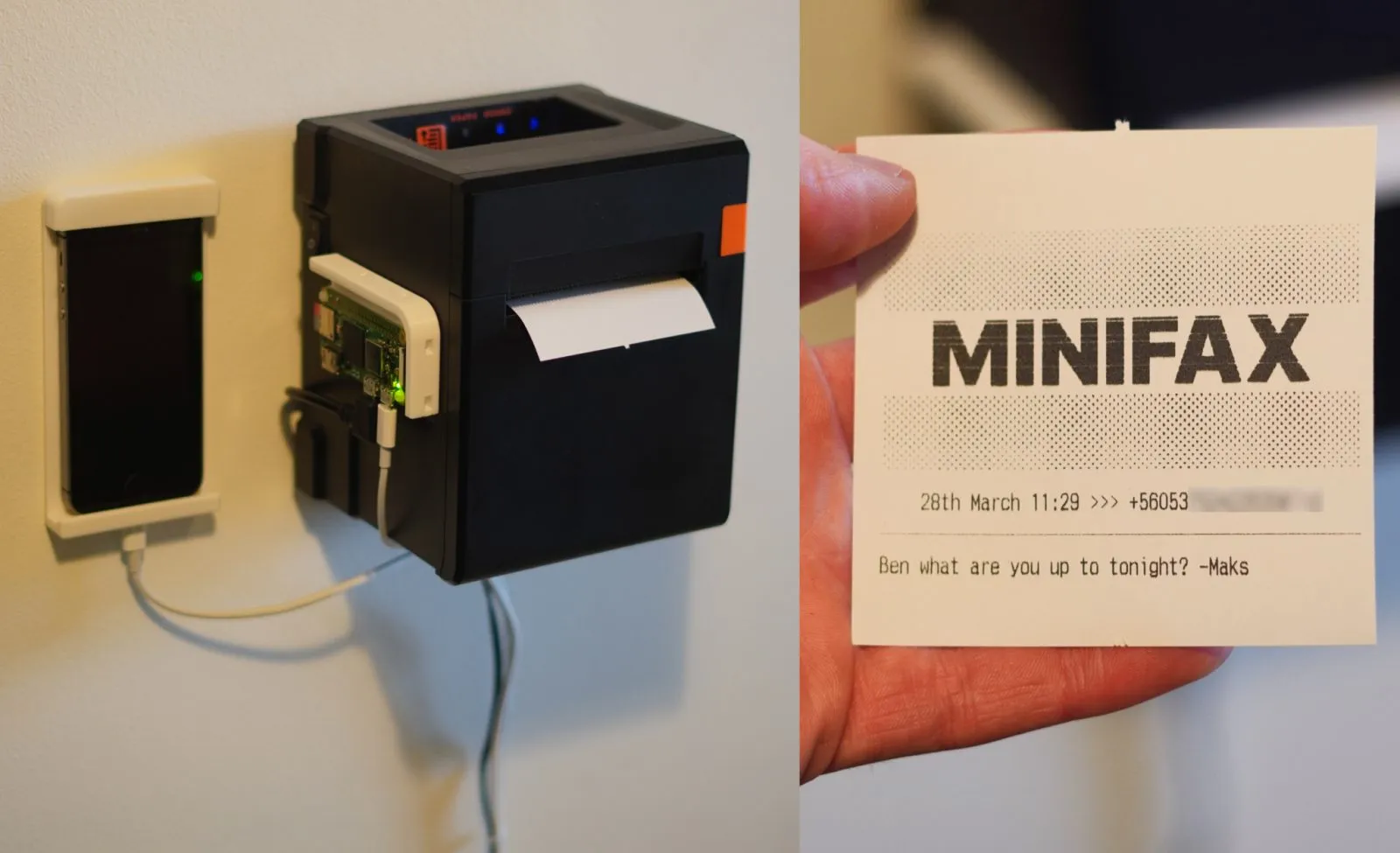
I love the idea of checking the tiny paper trail in my bedroom once a day instead of a device. Though a friend already abused the system by texting him the entire script to Bee Movie:

Separating notifications from our phones and moving them back to the computer room could create a range of more satisfying devices—not just the Susa as our phone, but analog devices that keep the context our screens have lost. The Kindle has long served as this third device, a place only to read, and thus making reading a recognizable activity to the person sitting next to us in a coffee shop. I only wish it had tactile buttons to turn the page. There’s a reason it’s more satisfying to play mahjong or rummikub than cards—the tiles clack against each other and feel heavy in your hand. Screens have flattened the experience of everything, from reading and doing the crossword to writing and paying and even driving my car. Taps and swipes are not satisfying—the knobs and levers were way better.
Modern hardware designers are bringing that tactile experience back, particularly Teenage Engineering. The Swedish electronics company makes sound and music engineering devices that are all knobs and buttons and dials. No screens!
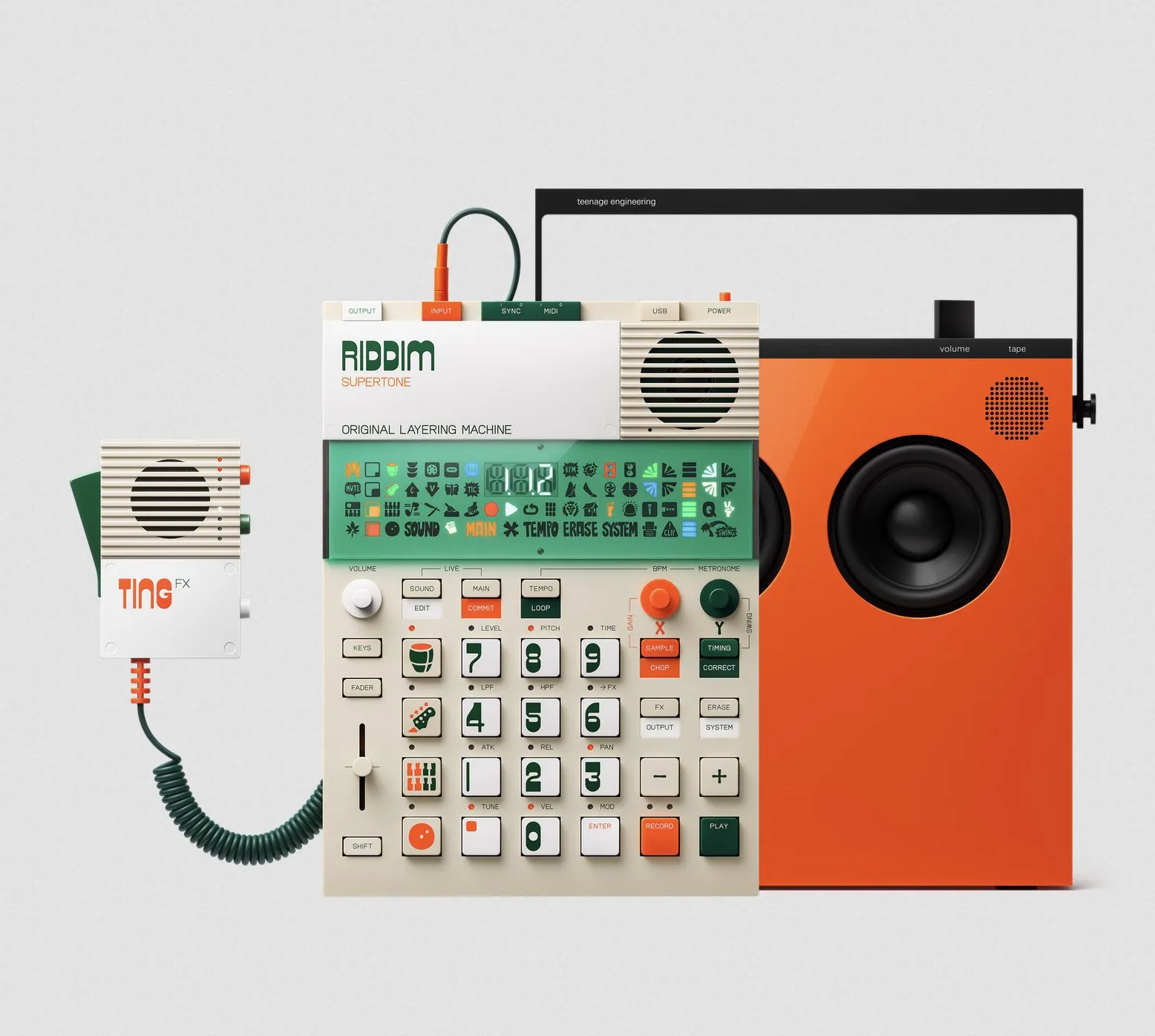
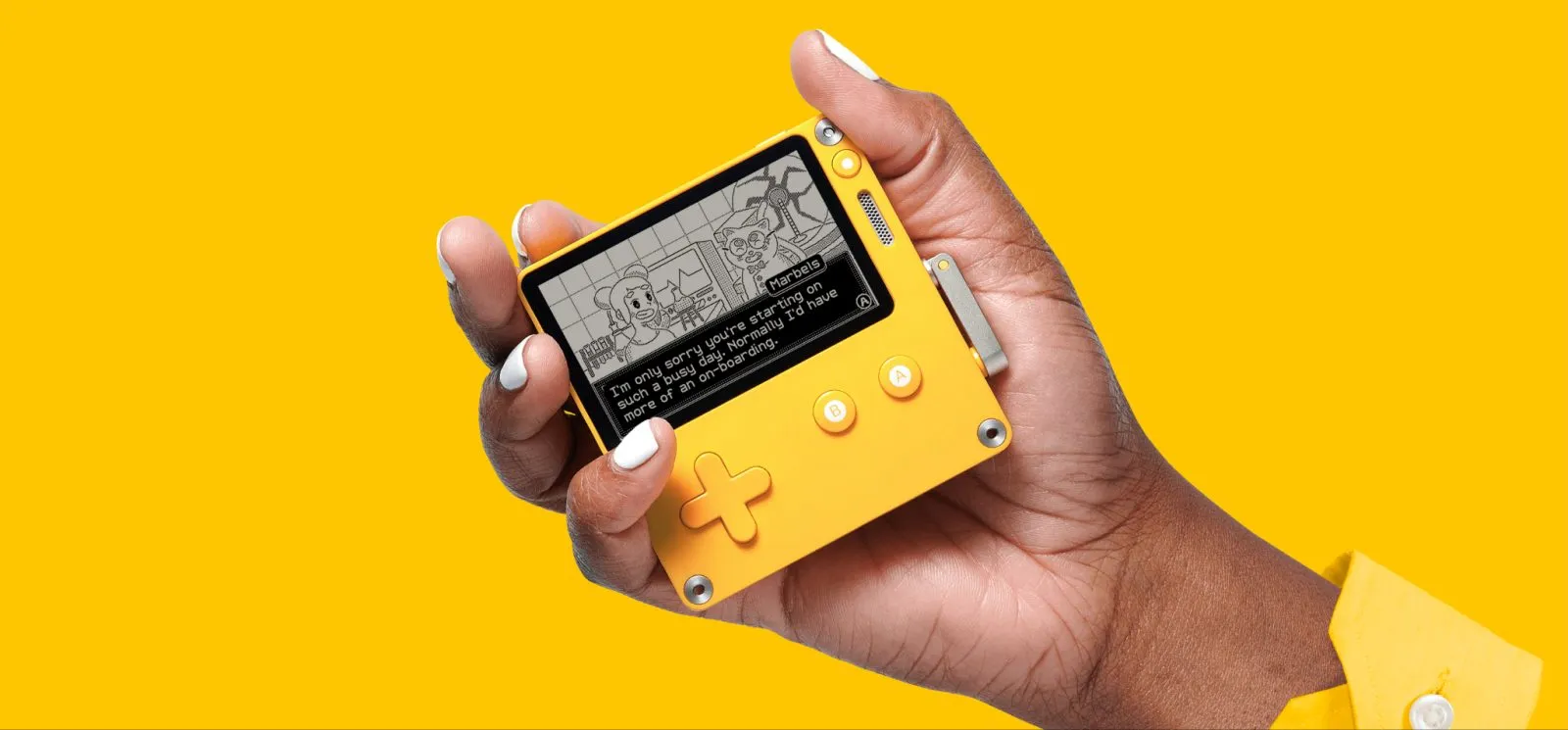
They’ve even brought that tactile experience to Playdate, a gaming device they designed with Panic, equipped with a hand crank for propelling characters forward.
And I love all the ways engineers are experimenting with technology, and even AI, that keep us firmly rooted in the analog world. Students at MIT created a device that can check the food in your pantry, use AI to come up with a meal you can make, then print out a recipe. It's all the benefits of AI, without looking at a device while cooking!
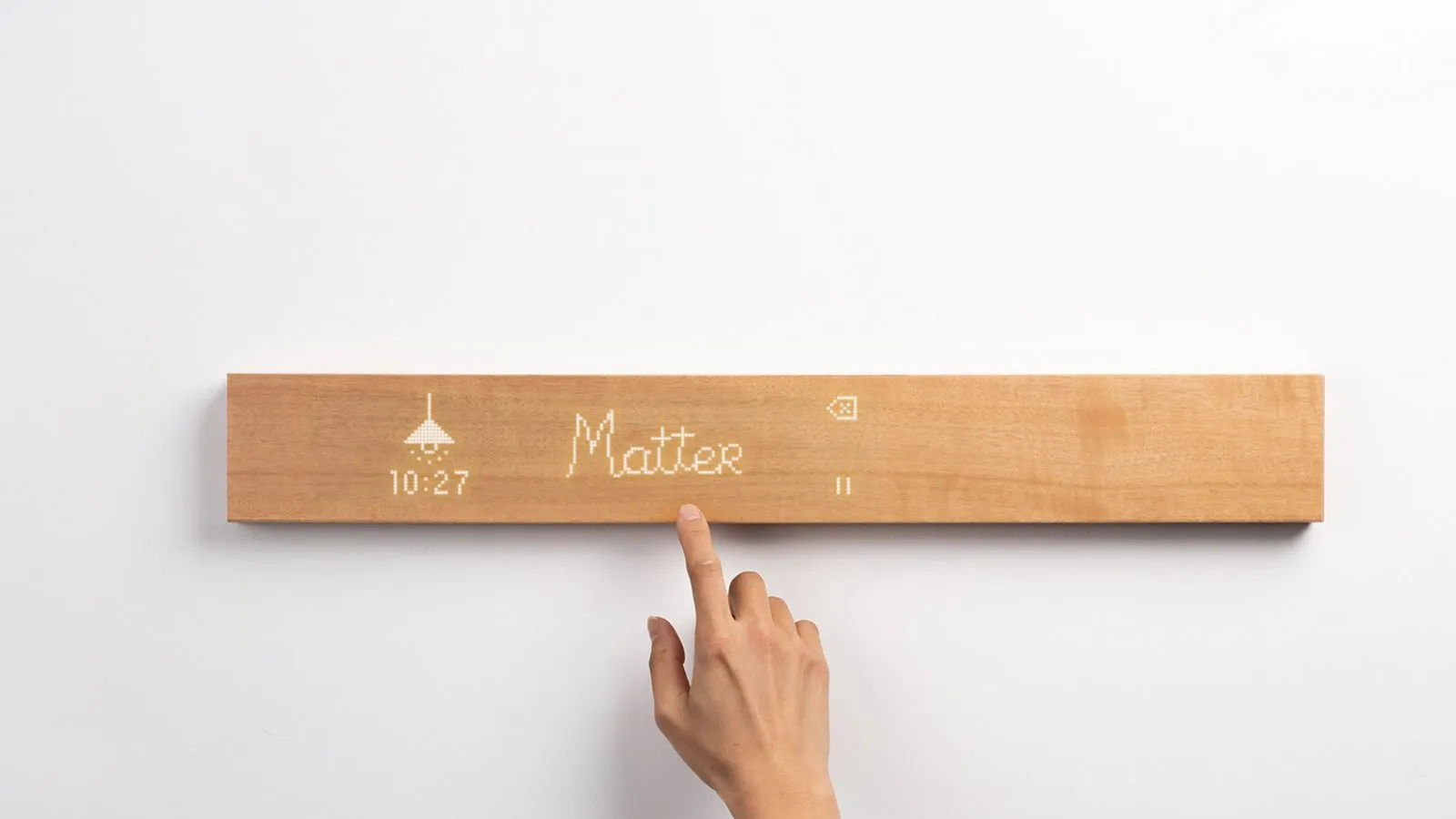
And I hope to see an influx of devices that incorporate organic elements like wood, to give more aesthetic appeal to our homes than the glass rectangle, like the Mui Board smart home device.
If I long for a phone without a screen, for notifications answered in the computer room later, for more analog technology with fewer screens and more buttons and levers, so that we can read and listen to music in public without the dystopian dysfunction of a world spent hunched over phones, I also want my devices to be fixable, like the Fairphone.
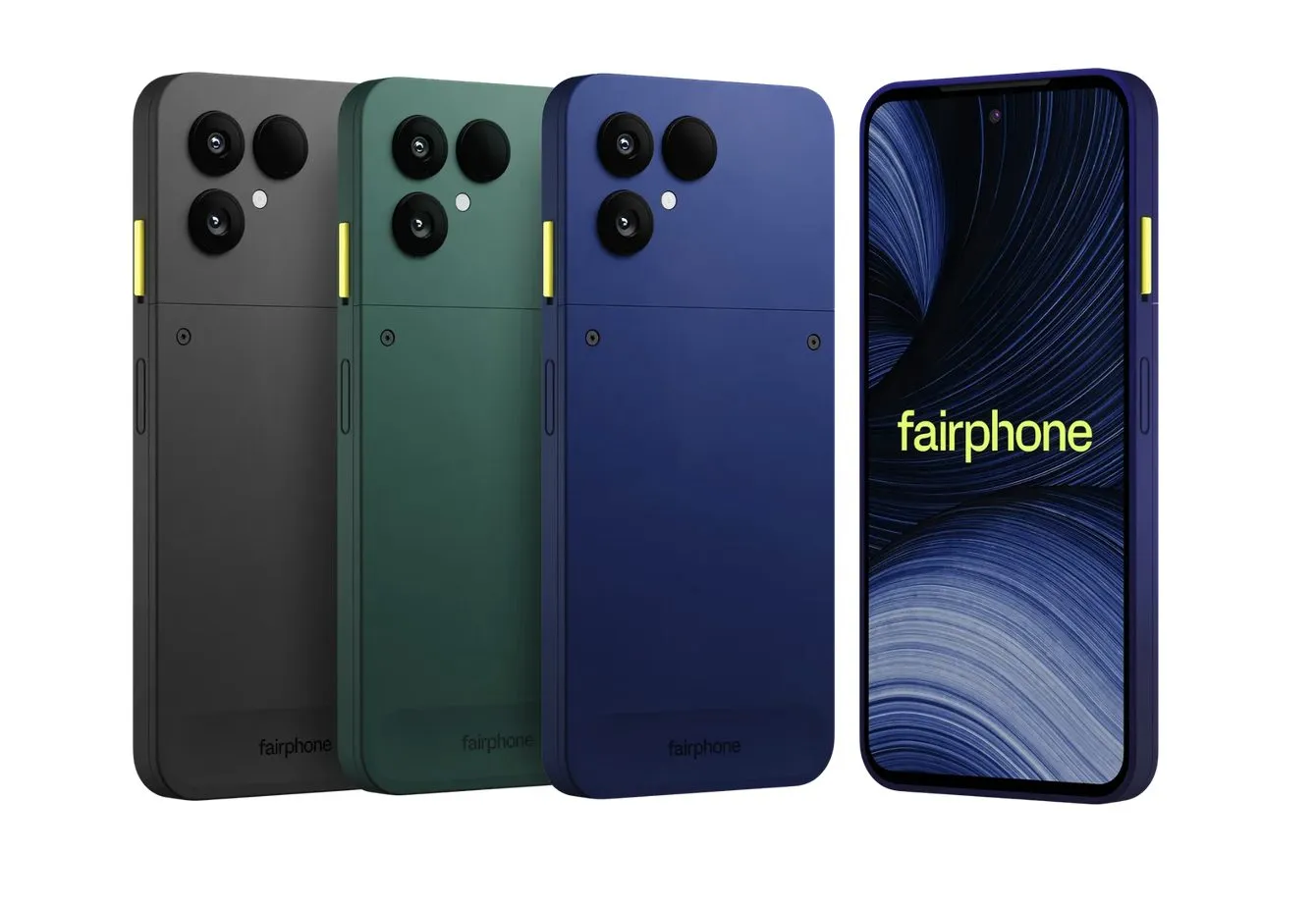
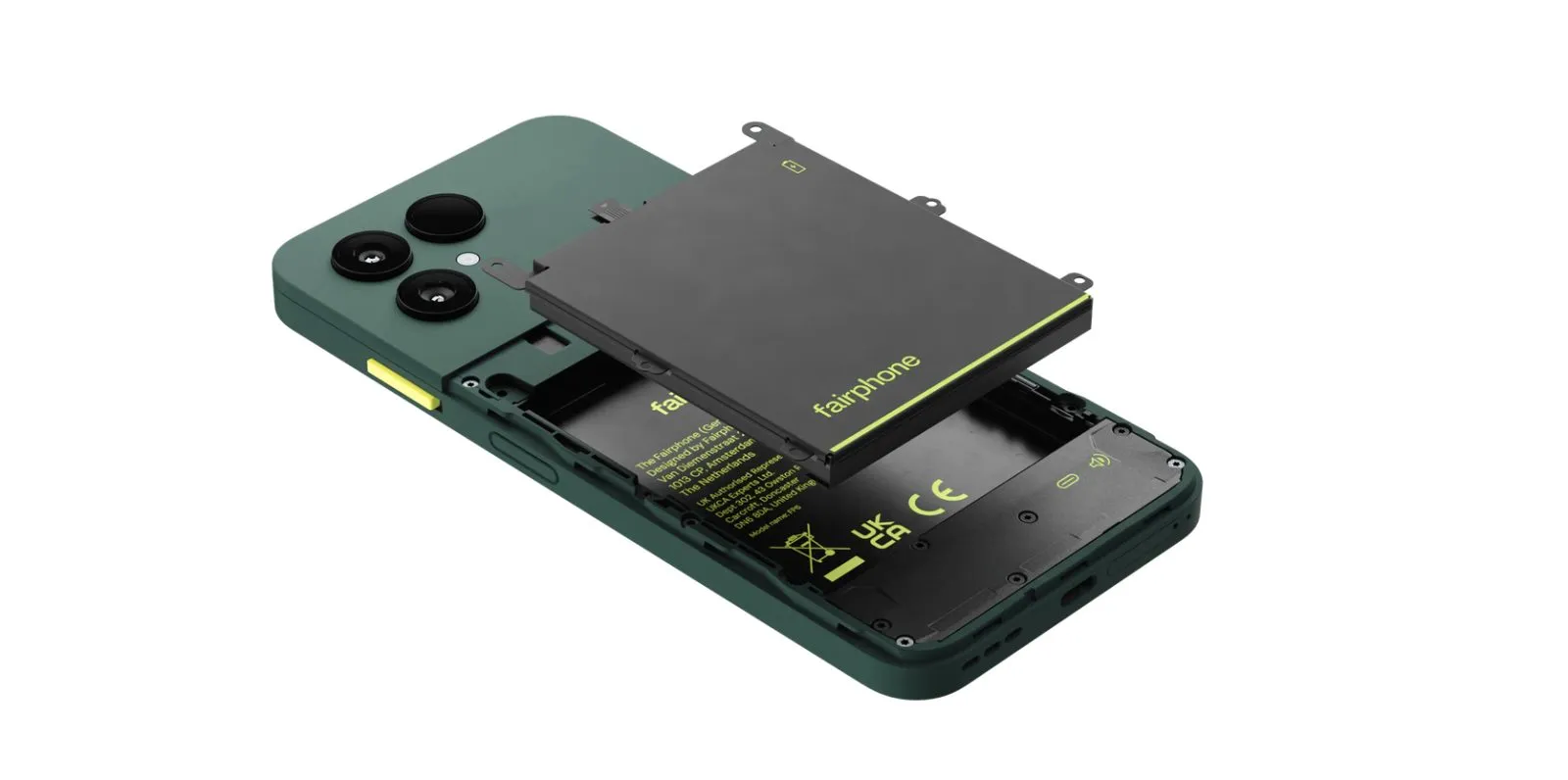
Created by a Dutch company that thought phones should last a lifetime, the device is fully repairable—by anyone with a screwdriver—and users can buy replacement parts online, including batteries, cameras, and everything else inside the phone. Not only that, but the company guarantees a fair wage to every factory worker, and if you purchase it through Murena, it comes with its own OS, a privacy-first version of Android that isn't constantly transmitting our location and searches and app activity back to a corporate server.
The Fairphone is a step in the right direction, but it’s still an Android, and thus comes with all the requisite problems of our current phone design. We can either choose between a dumb phone that can’t do anything but text or a smartphone that comes with undeletable browsers and notifications, that so disturb our lives with beeping and buzzing that we've had to invent a second industry of lockboxes and screen-time blockers and third devices just to get away from them. Those of us who want something better have to try very hard, go significantly against the grain, and pay real money, to live a digitally minimalist life.
This is all because designers have no other option but to design for Apple and Google, iOS and Android, two operating systems that have so saturated the market that every utility I’ve so far mentioned requires one or the other. Tap-to-pay, for instance, runs on EMV, a standard every card terminal uses. But banks only allow cards onto a device they trust, aka on that's using Apple or Google's wallet software. A boarding pass is just a barcode—it could be on a phone or piece of paper. The only reason I had to download the Alaska app is because Alaska chose to deliver the barcode that way, and its app only runs on iOS or Android. Mobile driver's licenses have an ISO standard too, but the states issuing them do so through Apple and Google Wallet, or a state app that works on the same systems.
This two-OS world doesn’t allow other players to enter. Developers won't build for a platform with no users, and no one will buy a platform with no apps. That’s what killed Microsoft’s Windows Phone, as well as Mozilla's and Palm's attempts. Hardware designers are left with two options: design a dumb phone with no functionality, or create another Android with too much. Apple and Google, meanwhile, are not making things better, they're making them worse—as evidenced by Apple’s new foldable iPhone that has so much screen I don’t know how one can even hold it without accidentally clicking something.
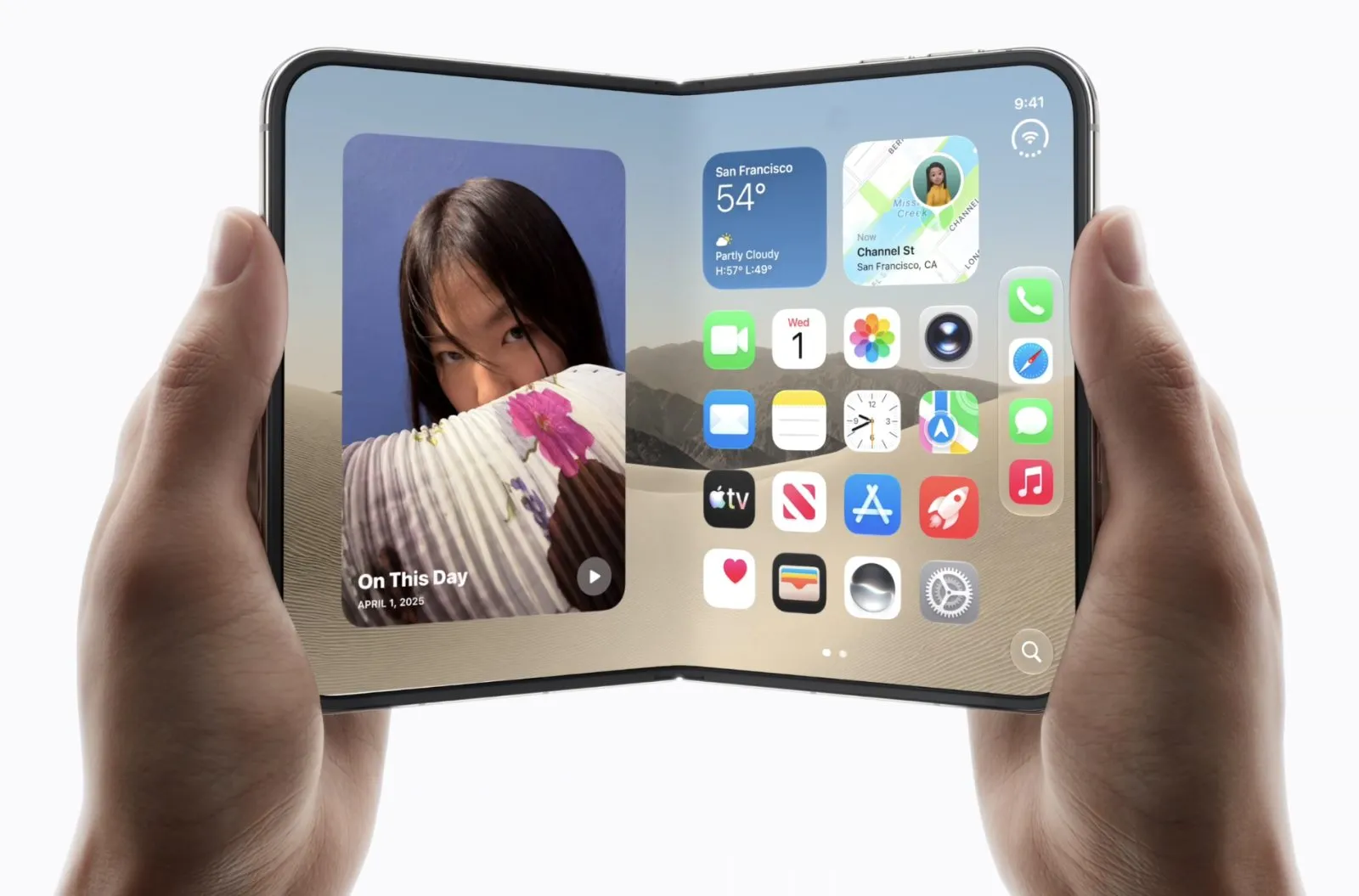
It wouldn’t be difficult to change this: An iPhone that lets me delete every app, including my browser and text messaging, would go a long way toward creating the future I want. The EU has already forced Apple to allow it. Regulations on the other side of the transaction could do the rest—banks should be required to allow cards to be loaded onto any certified wallet; airlines should be required to allow boarding passes to open on any device or app. This combination would give hardware designers the chance to think beyond the screen, just as the prototypes in this essay do—the fixable device, the screen-free device, the tactile device, the single-tasking and offline device. With this kind of regulation in mind, there is no reason we can’t create a Light Phone without text messaging, or a Susa with a wallet—even an iPhone without texting or notifications.
We don’t have these devices because we have the duopoly. But we can disrupt that. There’s a nostalgia for the analog world already, as evidenced by the technologies we’re designing and building and buying, we just need to push back on the two companies in our way.
I firmly beleive that if we change our phone, we change society. We can play cards, read books, enjoy the crossword puzzle with our family members—the Norman Rockwell painting preserved—even as our phones sit away in drawers, uninteresting except to pay for something when we’re out. Notifications and distractions aren’t something we carry around with us, but isolated to the laptops tucked away in the computer room. There’s no reason our technological future can’t also be analog—with buttons and knobs instead of screens, and single-use devices so the people around us know what we’re doing, so that when we sit by the fire in peaceful idleness, we’re still present with one another—the tableau of the 90s returned.
Get every essay in your inbox
Weekly essays exploring a utopian future.
Join 23,238 subscribers

It's also wild just how addicting the phone is. Every so often I delete all the apps, all the stuff, etc. And then slowly they creep back in, one at a time. It's a constant battle, but it's also impossible in modern life to ditch all-together. As you said, boarding passes, bus pass, google maps, actual coordination with friends, etc.
I like the intentional aspect of specific devices or places (computer room), I think we will get there eventually and we'll look back at this era the same way we looked back in horror at the sheer amount of smoking in the 60s.

I think so too, this is the messy experimental era, not the permanent state!

Hi. I liked this.

Love this POV on smartphones!

Love this, Elle. I meditated on the design problems of smartphones a bit myself back in March. Ive tried a bunch of alternatives and found issues with all of them. We want phones that are capable but not distracting and those two things are at odds, and there's a very jagged border of tradeoffs. Strangely my hope lands on the return of the BlackBerry form factor.
otherworldscatalog.substack.com › is 2026 the year of the good phone
How did I miss this one!? I almost wrote about the clicks communicator too but didn’t because it’s still just another android 🥺 I do find it an interesting concept in that it’s a specific device for all communication. But I ultimately would rather have that device live at home in the form of a tin can or laptop.
Yeah I would love GrapheneOS for the Clicks. And having more options is better for everyone.

Yes! Nail on the head.
The frustrating thing is that the only way to break out of this situation is to either go completely off-grid, which isn't practical for most people, or spend even more money on fancy niche devices like the ones you mention. I have a Remarkable Paper Pro which I adore, which can only be used for writing and sketching and reading, and I adore it - but it's very expensive.
Doctorow's Enshittification has some good historical analysis on how we got into this mess.
Some other examples of good tech design: Framework are making repairable and upgradeable laptops. Valve are making Linux easy and non-scary with Steam OS, which in turn has made me realise how viable Linux is these days. Leaving Windows always seemed like an unsurmountable challenge before, but not now.
Yeah, and there's also the fact that we need these non windows/apple computers and phones to be able to talk to each other. It would be very difficult for me to leave the apple ecosystem even for one device. I switch between my phone, laptop, headphones, apple tv, seamlessly. To switch to a device which couldn't talk to the other ones would drive me bonkers.
It’s so frustrating that all of these are solved problems, but the companies don’t want to implement the fixes.
Truly every single bit of this. I am a parent who tried to get a flip phone last summer and had to swiftly move back to Iphone. To pick up my children from school, I announce my arrival on an app so they are released (which is honestly a postive tech experience because there can be multiple pick up options thanks to it instead of just having to wait in the carpool line.) Ubers, plane tickets, maps were as complicated as you mentioned.
On the positive side of parenting tech, we are a tin can phone home and it has been a game changer for not just my 9 year old daughter but also me. To coordinate with her friends about biking to school or weekend meetup neighborhood spots, I don't have to also have a conversation with the friends parents. Not that conversing with friends parents is a negative but every time my daughter wants to have a friend over I dont have to have 5 "Hi, it's victoria, hope you are well. Liz was seeing if Alice could play" on repeat. I am southern so dropping niceties isn't in my DNA. There is so little control over how your texts are received in context so I always default to pleasantries. But damn if they don't get exhausting!
You are the second person I’ve spoken with now who has loved the tin can. I’m glad it’s being as adopted as I want it to be (even if I think it should be for adults too!) It’s such a cool concept.

I don't know if you remember the movie Aliens (1979) or even the subsequent games
But that story takes place in the future, and they still use knobs and dials !
I always thought retro tech was the future because no touch screen and beat the tactile satisfaction of turning a knob or smacking a flip phone shut after a call.
Exactly!!!! Why couldn’t our high tech future have knobs and dials!???
Many thanks for your inspiring post !!! 🎯🎯🎯👍👍👍
Do you really believe, the global cabal and absolute control freaks would ever renounce the best and cheapest shackles for the vast majority of gullible humanity ever designed ??? ... 🤔🤔🤔
That’s why we have to force em!
We, a tiny portion of the people, cannot force the majority of our gullible brothers and sisters to renounce the shackles that are soooo convenient and on which the cabal relies for their total enslavement so heavily.
We can only refuse to step on the rigged play-ground and stubbornly refuse to play.
Well, an old Nokia is a good start and using the smart-phone only as a picture-camera with option for transmittal of images is too ...
Yee-Haw !!! Let's roll 👊👊👊
Ah! Yeah I mean force the companies to give us better defaults. But yes you’re right it’s up to us from there ☺️

It's a beautiful dream. I wish society would go back as well but most people will never actually do so. Everyone is too addicted now.
It's the algorithmic manipulations combined with the inherently antisocial and isolating design of the tech itself. Everyone is in their own little bubble and the opportunities for spontaneous shared experiences are limited by this. Smart phones shatter our sense of a shared reality and literally give us brain damage from simply using them. They were designed to do this to increase profit for shareholders. We destroyed the fabric of society all so a few people in Silicon Valley could get obscenely rich addicting the population to online slop and replacing it with where our real lives used to be.

Great piece, a lot of stuff to think about
Thanks Hartger!

Good read, thanks. Have you tried Assistive Access on iPhone? Makes it simpler, more customized. Can tell someone else the password to change out of it.
I’m also working on a phones think piece. TLDR it’s such a problem bc it’s five big addictions packaged together and fused into a hyper-useful and societally essential digital Swiss Army knife.
Quite the challenge. But solvable.
I’ve tried things so far like leaving it in my car. But then I just spend more time in my car. I’m in my car right now.
I’ve learned that I’m an addict and I can’t to small doses, or easily circumventable guardrails.
Hope to see you at Edge again (: it was easier to do less screen time there

Excellent article. Thank you. Maybe being able to delete the apps from our phones would be enough. I do think there’s a strong desire in the market for a better phone. It might be possible for a team to form a company around the idea of building one. Yes it would be a colossal task to create a whole new phone, but would still be profitable if enough folks want it.
You have given us a lot to think about.
Yeah I think that would go a long way. The other hurdle is, if you delete texting from your phone and someone else tries to get ahold of you that way, without calling, you could get in a snafu. Devices that make this more of a default would help change that.

It’s incredibly frustrating that even a simple dinner out now requires staring at a screen. Mind you, I suppose the only saving grace left is that we can still look them in the eye and say, 'Sorry, I haven't got a phone!' It's a small but necessary victory...
That drives me crazy. I do not want to read a menu on my phone.
Only yesterday, an elderly couple at the next table were visibly struggling to order their food. When they noticed me and our eyes met, the lady politely asked if I could help them order the same thing. It made me think that humanity will always find a way to support each other in the end. But is this roundabout way of connecting really the 'value' smartphones were supposedly meant to deliver...?
Weren't we promised that technology would get the boring tasks out of the way quickly, freeing us to enjoy a richer, more human life?

Love this take. I hadn’t considered the lack of context but now it seems obvious. It always feels like people have vanished into the void when they’re on their phones in a way that you don’t feel when someone is reading a book or the newspaper. I think AirPods are the other enemy. I can’t tell you how many times I’ve tried to make small talk with someone only to realize they literally can’t hear me. Connection feels so much harder when everyone is distracted all of the time.
I so agree with the AirPod separation! I love them in many contexts (on airplanes, etc.) but out in public interacting with people it creates such a weird separation!

From within so without. Not from without so within.

Fascinating and thorough, Elle. It's long and well-researched, and that's okay. You are trying to untie the Gordion Knot that began with one strand in 1969 with the internet and then other strands needed connection. Email, World Wide Web, first cell phones that were in cars and the equipment to make it work filled your car trunk, then Walkman, iPod, Motorola's first walk-around phone, and now here we are with phones that have cameras. Who knew I needed my camera in my phone? Great post. We can set it to music with Bryan Adams singing "Summer of '69" which, by the way, came out in 1984. Same year as the famous Apple commercial.
It turns out early tech (the walkman, iPod, etc) were some of our best creations. Now we are trying to get them back!!! And I love the soundtrack option...
Wow I had no idea about all these alternative technologies! Another great entry from The Elysian, and one I think about constantly. What is the ideal device in terms of practicality and non life-stealing addictive properties in today's world? This has inspired me to review all the notifications I receive. I'll probably find they're almost all useless.
For me, even tho it's one of the phones more practical uses, I desperately want to live without GPS and google maps. I'm convinced it's ruined my ability to navigate even to places I've been before without it, and I feel so stupid and vulnerable turning back and forth on the street until I know which way the satellite says I should go. Maybe I should be printing out MapQuest directions lol
Highly recommend minimizing notifications as much as possible. So few of them are necessary 😊 Though I’m not sure I can go all the way back to Mapquest 😆

Social apps and their addictive personalization algorithms are the issue here. I personally don’t think the solution is a new phone, it’s removing distracting apps that bring no value, and using software that incentivizes offline interactions above digital entertainment.
That's part of it, and being able to delete all of the apps on our phone might be enough. But I have zero social media apps on my phone and nothing with an algorithm, and right now still have to have a browser and texting on my phone!

Hi Elle,
I love this article. The idea of removing text and call features is so ballsy but might be vital to live a less distracted lifestyle.
Thank you for writing this!
Thanks Noel. I’m so here for that future!

This entire read took me back to the nostalgic memories of being completely offline and living a richer life. What stood out to me was your experience of going low-tech, but seeing that other people thought you were ignoring them. That shows how much we need each other for social feedback. Before, if people didn't answer the home phone, it was a reason to knock on our door to check in. Now, it's texting back—if we go off the grid today, we are completely outcast, the misfit, whom no one will truly understand because society in its entirety likes to flow in the same current.
I have, for two years now, pondered on the flip phone, craving that low-tech life. And somehow I think manifestation is real because your article showed me other options I can turn towards.
Exactly! Because of the way our phones are designed, we now have different rules of engagement that are not as tranquil.
Flip phones show what we are craving instead, but they don’t solve they problem because they are so limited in what they can do that we still need to have an ipad to use them, negating the benefits.
We need a better phone for a better society.

Beautiful piece! Enjoyed reading it. I'm in the proces of making a computer room (my dad stil has his) and connect everything on there. I'll use my phone for calls only. I crave for the simple moments.
I love this so much….

Not knowing what other people are doing is a really nice observation—not thought of that before.
Great spotlight of the already existing attempts at de-distracting the phone, and the physical turn towards buttons and knobs. Automakers are realizing this too - especially those that cater towards the car enthusiast crowd that longs towards simpler times with manual gearboxes and a deeper connection with the car. I think that perhaps one of the biggest reasons behind society having these over-sized screens in our pockets is driven, side by side with the duopoly, by the attention economy behemoths (Meta and the like). If I do not "consume content" on my device, it surely can create a market space in which devices with minimal screens (if any) can pop up, offering all of the functionality of the 7 inch slab of metal. The technology is there, and with AI could move into more voice control - and could allow for all of the utility, bar the constant connectivity and notification. Society "just" has to, well, tackle social media the way they tackled cigarette makers, or perhaps even harder (easy, right?)

Just put it down. It's not that hard.
You don't need a dumb phone, you don't need to redesign anything... you need self-control. Nothing is going to change until you figure that out.
We can all do that… until we can’t. Phones are a necessary part of modern life. At some point you will have to pick it up. It’s worth reimagining what that could look like.
“we live on a hyperstimulated level, everyone twitching from the constant grasps at our attention” YES!

i hear this so hard. i recently switched to a phone with buttons (albeit one that runs android 15, but using either t9 or en extremely tiny touch keyboard means it's inconvenient to do things like passwords on so i've not felt compelled to use it beyond comms, maps, banking, and train tickets - i haven't left myself a browser option). the difference in how much less scrambled i feel is palpable even super early on in this switch - every time i went on my iphone i'd experience the equivalent of going into a room and thinking, 'why did i come in here?' - not even mission drift which people complain about where you find yourself scrolling 45 minutes later, but the mission would disappear into a puff of smoke the second i looked at my screen. i think it is because the screen was so big and so shiny. i am not having the same issue with the buttonphone. even though it's technically capable of running the same apps, the friction there is much greater.
i am staring into space, writing in a notebook whenever i feel the mood strike, thinking about getting a camera again, about playing video games again, about listening to full albums again, about doing literally anything else now that i am not overwhelmed constantly. it is very nice. i hope it stays with me. i can't subscribe to only having my friendships live on my computer because a lot of my friends are longer distance, but i am definitely enjoying having things move in a positive direction, only having maybe an hour of screen time a day, and not feeling super twitchy whenever i don't have my phone on me.
Which phone did you switch to, may I ask? And I so feel this sense of space when the rest is gone. I think we all need that back.
the duoqin f25. it doesn't work in the us, but i believe they have an equivalent called the j36 there. it has a t9 keyboard (you can technically use the touchscreen one but it is so tiny i don't bother much unless it is painstakingly typing in a banking password or something). i mean super recent as i've had it less than a week but i just feel a lot more content to just exist, and it seems to cover most functions i need it for as i haven't had to turn my iphone back on for anything yet.
Ah T9 keyboard!!! That's next level!!!! You'll have to update us on how it goes. I don't know if I could go without qwerty. But I still like to take notes/write on my phone etc...
i've recently (a little prior to ditching the iphone, maybe 2 months ago?) become a notebook guy! when i was a kid i used to journal princess-diaries-style all the time and i felt the urge to return to it and as a result i now have a notebook on me all the time, so i make lists and notes via that now. i'm gonna have to see how it goes especially with more longform creative stuff like articles and songs, but i'm finding that very fulfilling! i am vehemently pockets only a lot of the time, so i have a passport sized one for this.

Great piece and great writing. One thing I've observed is just how quickly your brain "heals" once you just stop using your phone beyond the basics (i.e. eliminate feeds + notifications). I'm a year or so into that journey and I do feel like a smarter, more inspired and creative person. I've found the biggest impact is that it's got me reading again, which I'd lost as habit for YEARS. I wrote about this last year in a short piece called "Blunt instrument". jamespember.substack.com › blunt instrument
I was just talking to someone this week who mentioned a study with children: When they are given toys, they play with toys for a minute or two and then they need another. When they are given no toys, suddenly a blanket becomes a tent and a table a castle. If we turn off the noise, we turn on imagination!
“our exterior worlds looking like a bunch of shells staring down at our phones” Great image, and so true.

Loved reading this. Thank you .
Thank you Shinay! 🥰
This has given me a lot to think about. As a disabled, mostly housebound person, I need the internet to socialize. I even appreciate social media, as it does alleviate the loneliness. And on particularly bad days, when I'm not physically able to sit up, having a device that is small enough to hold, which also allows me to connect to others is amazing. So, for all the other disabled and chronically ill people who rely on small devices to keep them connected, and feeling less lonely, I will likely always advocate for phones as they currently are being an option. But why should they be the only option?
By the way, Fairphone is also designed so you can strip out Android and replace it with an original OS. I haven't done it as I am not that good with tech and it seems overwhelming to me, but it is an option.
Yes, you bring up a lot of good points. It's not about getting rid of all technology and replacing it with a sort of 90s ideal. It's about giving us all the option to have the devices we want. Right now we kind of only have on and off. Middle ground management is too difficult!

Thoughtful, no-frills and well-researched piece. Bravo!
Thanks Philip!

A pure Linux phone should eventually be able to manage all this, but they are still very rare and underdeveloped.

This was such a great article Elle!! As always. And thank you for featuring my piece♥️
Thank you for being back, I've been loving reading your stuff again!!!!
Loved this article! (The last section is such a cool ode to design---all of these devices are so interesting and creative). I fully support your hypothesis that it is notifications that are the problem, and not necessarily just having a multi-tool in your pocket. It would be interesting if Lightphone found a way to support some of those other utilitarian uses of a smartphone outside of communication, because I often wonder how long I'll be able to do what I do, which is basically avoid authenticator apps, print everything I need for tickets, and just carry my wallet with me. I can absolutely see a future where these things are basically obsolete.
Ok right???? We can’t go back to printing out Mapquest directions. Like that can’t be the answer. Those parts of the technology were never the problem we were running from.
Thanks so much for sharing your experience, I read several of your pieces while I was researching this essay!
Are you aware of any neo-luddite groups actually trying to organize and do something about this for real? We all know how bad this tech is for us and yet no one is actually trying to stop and go back. We can still have smart phones, just the clunky pre iPhone ones that are a hassle to use. The friction is good for us. I remember seeing a note not too long ago all about how the person wishef they could build a community that bans all technology that was invented after the 90s and I think about that all the time. Smart phones weren't truly invented until 2007 so maybe have the cut of be 2005 instead. If I was rich I would be building this tomorrow.
I read the book Attensity! by The Friends of Attention and this felt basically like the group you are describing!
... or we could change our 2 misunderstandings :
1 we could assume the best (for us) usage to avoid our recognition of disrespect, when our "subconscious mindset" kicks in
2 we could avoid the usage of phones when there is a good chance, that others feel that wellknown subconscious recognition
and it would be in our hands to do so .
the fascinating presence of opportunities is ours.
thank you for the great inspiring read